




How to Calibrate an HTHP Consistometer for Accurate Thickening Time Results
Accurate thickening time data is the foundation of every successful cementing design. Whether you are preparing a standard production slurry or evaluating a new fluid loss additive system for high-temperature wells, the reliability of your thickening time curve depends on one critical factor: your HTHP consistometer must be properly calibrated.
Many cementing laboratories focus heavily on slurry formulation and additive dosage, but overlook calibration routines. The result is a frustrating situation where two labs test the same cement blend and report completely different thickening time values. In real field operations, this difference can lead to premature setting, placement failure, or even costly remedial cementing.
This article provides a practical, step-by-step guide on how to calibrate an HTHP consistometer to ensure your thickening time results are repeatable, accurate, and compliant with API testing requirements.
Calibration Checklist (HTHP Consistometer)
| Calibration Item | What to Check | Recommended Frequency | Pass Criteria | Notes |
|---|---|---|---|---|
| Visual Inspection | Cup, paddle, shaft, seals, fittings | Before every test | No visible damage or leakage | Mechanical wear affects all results |
| Motor Speed (RPM) | Paddle rotation speed using tachometer | Monthly | ±1–2 rpm | Belt slip or motor drift |
| Temperature Accuracy | Compare internal vs external probe | Monthly / Quarterly | ±1–2°C | Sensor drift common over time |
| Heating Rate | Check temperature ramp stability | Quarterly | Stable linear ramp | PID tuning issues |
| Pressure Accuracy | Compare with certified gauge | Quarterly | ±1% FS | Transducer aging |
| Torque System | Weight-arm calibration method | Monthly / Quarterly | Linear response | Main source of Bc error |
| Pressure Holding | Check pressure drop over time | Weekly | No significant loss | Seal leakage |
| Software System | Data logging and scaling | Quarterly | No data distortion | Post-update errors |
| Repeatability Test | Run standard slurry twice | Quarterly | ±5% deviation | Mixing consistency critical |
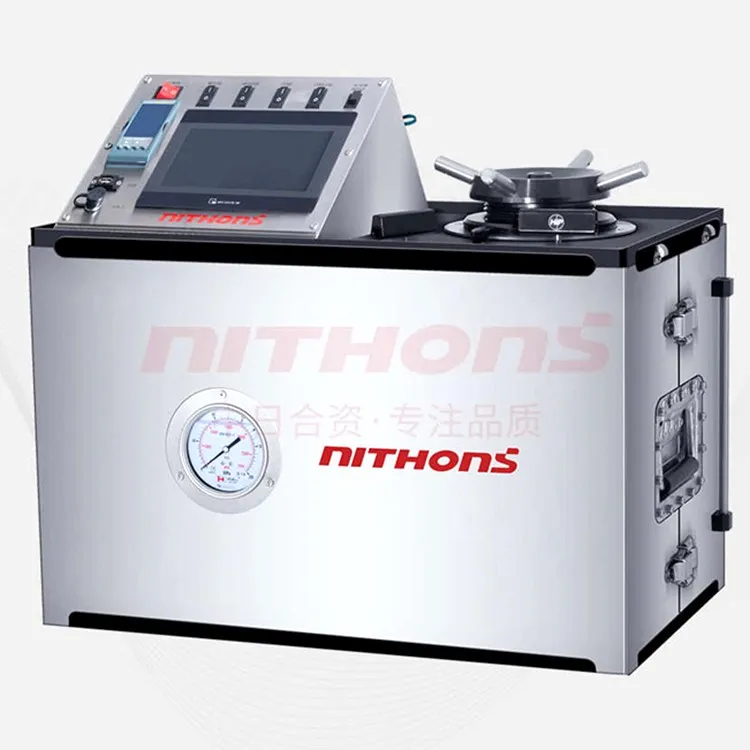
Why Calibration Matters in HTHP Thickening Time Testing
An HTHP consistometer simulates downhole temperature and pressure conditions while measuring slurry consistency (usually in Bearden units, Bc). A thickening time test is often used to determine when a cement slurry reaches a critical consistency threshold, such as 40 Bc, 70 Bc, or 100 Bc.
When calibration is not performed correctly, the data becomes unreliable. You may observe:
- Thickening time curves shifting unpredictably
- Abnormal "false set" trends
- Different results between repeated tests
- Inconsistent heating and pressure ramp performance
- Sudden spikes or drops in torque readings
In many cases, the cement slurry is blamed. But the real cause is often the instrument itself.
Proper calibration ensures that the consistometer measures torque, temperature, and pressure correctly-so the thickening time curve reflects the actual behavior of the slurry.
Who Needs to Calibrate an HTHP Consistometer?
Calibration is not only for OEM engineers or professional metrology labs. If your facility performs cementing tests for:
- Oilfield service companies
- Cementing additive manufacturers
- Research laboratories
- National oil companies (NOC)
- University petroleum engineering programs
- Offshore cementing projects
…then calibration must be a routine part of your laboratory management.
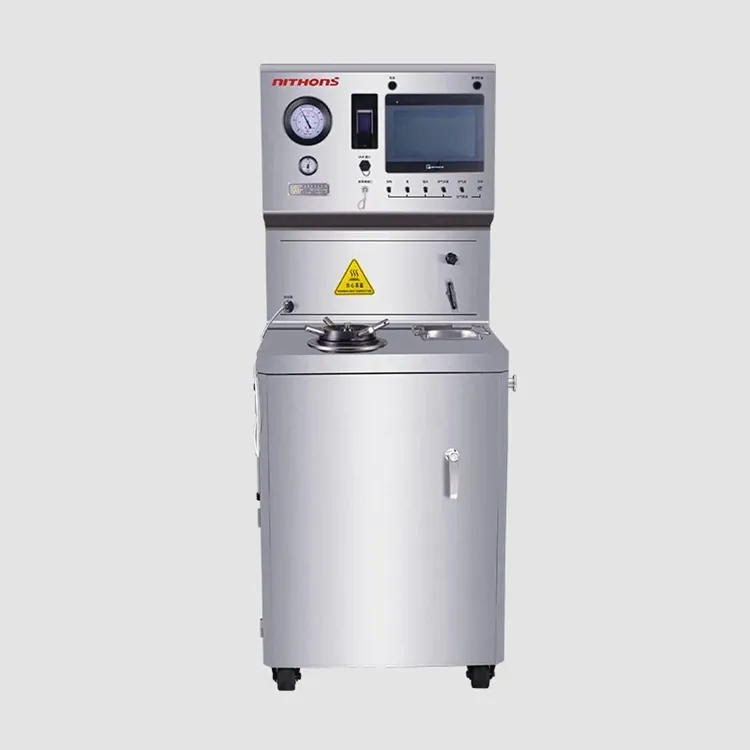
If you use a HTHP Consistometer such as the NITHONS HTHP Consistometer, it is recommended to maintain a calibration schedule and record all verification data as part of QA/QC compliance.
Quick Summary: What Must Be Calibrated?
A complete HTHP consistometer calibration involves checking and adjusting these key systems:
Critical Calibration Points
- Temperature measurement accuracy
- Pressure gauge/transducer accuracy
- Heating rate stability
- Motor speed control (RPM)
- Torque measurement system (consistency output)
- Recorder or data acquisition system
- Safety systems (pressure relief, seals, limit switches)
Optional but Highly Recommended
- Cup alignment and bearing condition
- Paddle clearance and wear
- Electrical control stability
- System repeatability verification using standard reference fluid
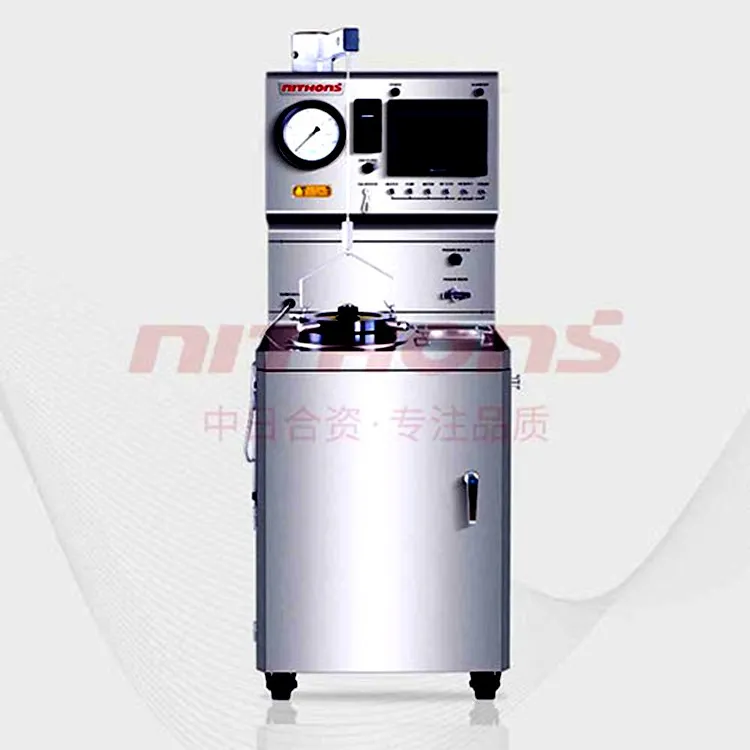
Common Signs Your HTHP Consistometer Is Out of Calibration
Before calibration, it helps to identify warning signs. Many labs ignore these early symptoms until results become unusable.
Signs of Temperature Calibration Issues
- Slurry thickens earlier than expected at the same schedule
- Heating ramp overshoots or fluctuates
- Temperature displayed on the controller differs from external thermometer
- Abnormal thickening curve "jump" at high temperatures
Signs of Pressure Calibration Issues
- Pressure drops gradually during test
- Pressure overshoot during pressurization stage
- Pressure gauge readings inconsistent with pump pressure
- Pressure relief valve activates unexpectedly
Signs of Torque/Consistency Calibration Issues
- Thickening curve rises too fast or too slow
- Slurry consistency remains stable even when slurry is obviously setting
- Sudden spikes with no physical explanation
- Repeat tests show large deviation (±20–40 minutes)
Tools and Equipment Required for Calibration
To calibrate an HTHP consistometer properly, you need some external reference equipment. Without these tools, calibration becomes guesswork.
Here is what most cementing labs should prepare:
Temperature Calibration Tools
- Certified digital thermometer (high temperature rated)
- Thermocouple calibrator or dry-block calibrator (recommended)
- External thermocouple probe with traceable certification
Pressure Calibration Tools
- Certified pressure gauge (deadweight tester is ideal)
- High-pressure calibration pump
- Pressure calibration manifold
Torque/Consistency Calibration Tools
- Torque calibration device or standard weights
- Reference oil or calibration fluid (depends on lab practice)
- Calibration arm or lever system (if required)
General Tools
- Stopwatch
- Multimeter
- Inspection light
- Spare seals and O-rings
- Lubricants recommended by manufacturer
- Calibration record sheet or digital log file
Safety Reminder Before Calibration
Calibration involves high pressure and high temperature conditions. Always follow lab safety standards.
Before any calibration procedure:
- Ensure the pressure vessel has no cracks or damage
- Verify the safety relief valve is functional
- Check seals and connections
- Confirm emergency stop switch works
- Never stand directly above pressure fittings
- Use protective face shield and gloves
Calibration should always be performed by trained technicians.
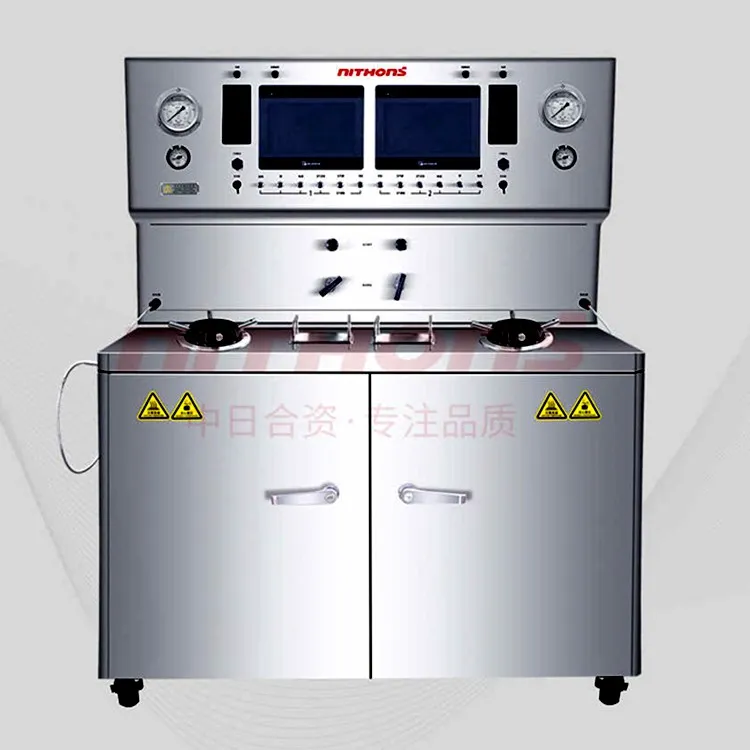
Step-by-Step Guide: How to Calibrate an HTHP Consistometer
Now let's move into the detailed procedure.
Step 1: Perform Visual Inspection and Mechanical Check
Before you calibrate sensors, inspect the mechanical condition of the consistometer. A worn paddle or damaged cup can produce torque errors that calibration cannot fix.
Check the following:
- Cup internal surface for corrosion
- Paddle for bending, cracks, or erosion
- Paddle shaft alignment
- Bearing noise or vibration
- Drive belt condition (if applicable)
- Coupling tightness
- Oil leakage around seals
- Electrical wiring and connectors
If mechanical parts are worn, calibration will not provide reliable results. Replace worn components first.
Step 2: Verify Motor Speed (RPM Calibration)
Most API thickening time tests require a stable rotation speed (commonly 150 rpm depending on test procedure).
If motor speed is inaccurate, torque output will be incorrect.
How to Check RPM
- Set the consistometer to target RPM.
- Use a tachometer to measure paddle shaft speed.
- Compare the measured RPM with controller display.
Acceptance Criteria
- Deviation should generally be within ±1–2 rpm.
Adjustment
If RPM is off, adjust the motor controller parameters or replace worn drive components.
Stable RPM is essential for consistent thickening time curves.
Step 3: Temperature Sensor Calibration (Most Critical Step)
Temperature is one of the most important variables in thickening time testing. Even a small deviation can cause major changes in hydration kinetics.
How to Calibrate Temperature
- Install an external certified thermocouple probe close to the internal temperature sensor location.
- Fill the cup with calibration fluid (commonly oil or water depending on manufacturer recommendation).
- Run the consistometer heating schedule to multiple temperature points (example: 80°C, 120°C, 150°C, 180°C).
- At each temperature point, allow the system to stabilize for 5–10 minutes.
- Record:
Controller temperature reading
External probe reading
Difference
Typical Acceptance Criteria
- ±1°C to ±2°C deviation is considered acceptable for many labs.
Adjustment Method
If deviation is high:
- Recalibrate the temperature controller offset.
- Replace thermocouple if drift is excessive.
- Inspect sensor wiring for loose connection or oxidation.
A properly calibrated temperature system ensures your heating schedule matches API requirements.
Step 4: Verify Heating Rate Performance
API thickening time testing is not only about final temperature, but also heating ramp speed.
Many labs ignore this factor. However, cement slurry thickening is extremely sensitive to heating rate. If the heating ramp is too fast, thickening time may appear shorter. If too slow, thickening time may appear longer.
How to Verify Heating Rate
- Program a standard heating schedule (example: 25°C to 180°C).
- Start the heating process.
- Record temperature every 5 minutes.
- Compare the curve with the target ramp.
Common Problems
- Heater output weakened
- PID control parameters incorrect
- Thermal insulation damaged
- Heat loss due to poor sealing
If your ramp is unstable, the thickening time results cannot be compared between different tests.
Step 5: Pressure Sensor and Gauge Calibration
Pressure affects cement hydration and slurry rheology. A consistometer operating at 10,000 psi but displaying 9,000 psi will cause significant error.
Pressure Calibration Procedure
- Connect a certified pressure gauge to the pressure line.
- Apply pressure step-by-step (example: 1,000 psi increments).
- Compare:
- Controller pressure reading
- Certified gauge reading
4. Record deviations at each point.
Recommended Calibration Points
- 1,000 psi
- 3,000 psi
- 5,000 psi
- 8,000 psi
- 10,000 psi (or max rating)
Adjustment
If deviation is unacceptable:
- Adjust pressure transmitter offset.
- Replace faulty transducer.
- Check pressure line for leaks.
A stable pressure system ensures consistent test conditions.
Step 6: Verify Pressure Holding and Leak Test
Even if the sensor is accurate, pressure loss during testing will distort thickening time behavior.
Leak Test Steps
- Pressurize the system to target pressure.
- Hold for 15–30 minutes.
- Monitor pressure drop.
Acceptable Pressure Loss
A minor drop may be acceptable depending on lab standard, but sudden pressure decrease indicates leakage.
Common leak points include:
- Cup seals
- Valve fittings
- Pump connectors
- Relief valve seat
Fix leaks before proceeding.
Step 7: Torque System Calibration (Consistency Output)
Torque calibration is the most misunderstood part of consistometer calibration. Thickening time is determined by consistency measurement, which is derived from torque resistance of the slurry.
If the torque system is inaccurate, your thickening curve becomes meaningless.
How Torque Calibration Works
Most consistometers measure the torque required to rotate the paddle. This torque is converted into consistency units (Bc).
Calibration Procedure (General Method)
- Remove the cup and ensure the drive shaft is free.
- Install the calibration arm according to manufacturer design.
- Apply certified weights at a known lever distance.
- Calculate torque:
Torque = Weight × Lever Arm Length
5. Compare the instrument reading with calculated torque.
Adjustment
If deviation is beyond tolerance:
- Adjust the torque sensor scaling factor
- Inspect load cell or strain gauge
- Replace damaged torque sensor
Practical Tip
Torque calibration should be performed at multiple points, not only one point. For example:
- 10 Bc
- 30 Bc
- 50 Bc
- 70 Bc
- 100 Bc
This ensures linear accuracy across the working range.
Step 8: Data Recorder / Software Verification
Modern consistometers often use digital data acquisition systems. Even if sensors are correct, the recorder may have scaling errors.
What to Verify
- Bc scale matches torque output
- Time axis is correct (no drift)
- Temperature and pressure curves recorded properly
- Sampling interval is consistent
Common Issues
- Software time lag
- Incorrect configuration after firmware update
- Data export errors (CSV missing points)
Always run a short verification test after software changes.
Step 9: Run a Standard Reference Test for Repeatability
After calibration, you should confirm that the system produces repeatable results.
Recommended Method
Run a standard cement slurry recipe or a reference fluid test with fixed schedule. Repeat the same test at least twice.
What to Compare
- Time to 40 Bc
- Time to 70 Bc
- Shape of thickening curve
- Heating and pressure ramp curve
If two tests differ significantly, investigate mechanical wear, mixing procedure, or additive dispersion.
A constant speed mixer such as the NITHONS Constant Speed Mixer is recommended to ensure slurry preparation repeatability before thickening time testing.
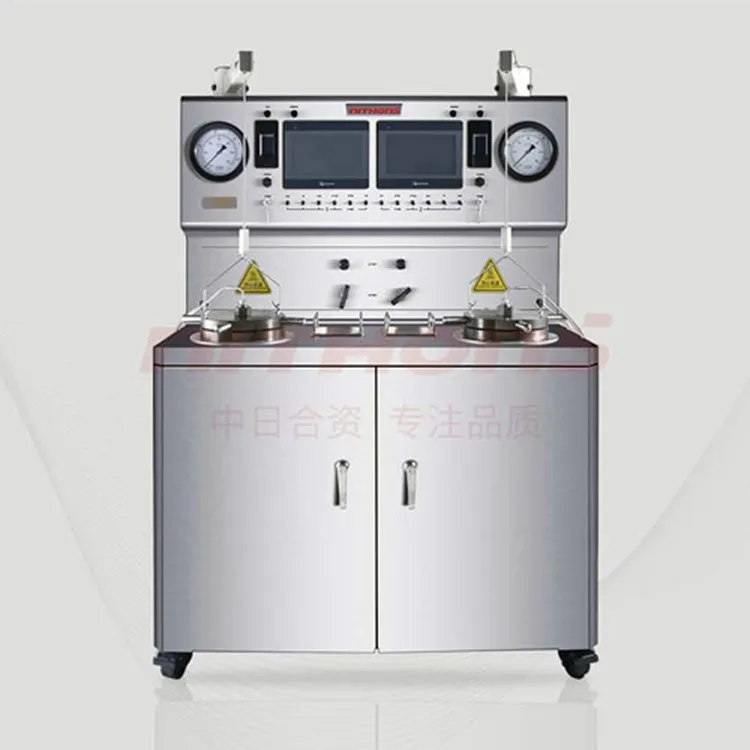
Common Calibration Mistakes and How to Avoid Them
Even experienced labs can make mistakes during calibration. Here are some common ones:
Mistake 1: Calibrating Only Temperature but Ignoring Heating Rate
Many labs only check temperature offset. But heating ramp accuracy matters equally.
Always verify the ramp curve.
Mistake 2: Using Non-Certified External Sensors
If your reference thermometer or pressure gauge is not certified, calibration becomes meaningless.
Use traceable equipment.
Mistake 3: Skipping Torque Calibration Because It's "Too Complicated"
Torque calibration is the heart of thickening time measurement. Skipping it means you cannot trust your Bc readings.
Mistake 4: Not Recording Calibration Data
Calibration without documentation is not real calibration.
You should record:
- Date
- Technician name
- Reference tool serial number
- Calibration results
- Adjustments performed
- Next due date
Mistake 5: Ignoring Cup and Paddle Wear
A worn paddle changes shear profile and torque response. Calibration cannot fix mechanical erosion.
Inspect and replace parts regularly.
How Often Should You Calibrate an HTHP Consistometer?
Calibration frequency depends on lab workload and criticality.
Recommended Calibration Schedule
- Daily: quick inspection, temperature check
- Weekly: pressure holding test
- Monthly: torque verification and RPM check
- Quarterly: full calibration (temperature, pressure, torque)
- Annually: complete overhaul, seal replacement, system validation
If your consistometer is used for commercial cementing design or bidding projects, calibration should be performed more frequently.
Best Practices for Reliable Thickening Time Testing
Calibration alone is not enough. Testing accuracy also depends on slurry preparation and lab operation.
Here are key best practices:
Maintain Stable Slurry Mixing Quality
Slurry mixing affects hydration kinetics and thickening time results. Use standardized mixing procedures and stable equipment.
A professional Constant Speed Mixer is essential for repeatable slurry preparation.
Control Water Quality and Cement Batch Variability
Different water salinity and cement batch variation can shift thickening time. Always document:
- cement lot number
- water type (fresh, brine)
- additives used
- dosage accuracy
Use Proper Additive Dispersion
Fluid loss additives, dispersants, and retarders must be dispersed evenly. Poor dispersion causes inconsistent results.
If you are using cementing chemicals such as Fluid Loss Additive, Dispersant, and Retarder, always follow recommended mixing sequence.
Verify Other Supporting Equipment
A consistometer test is part of a full cement testing workflow. Supporting instruments also affect final interpretation.
For example:
- Curing Chamber for compressive strength sample curing
- Fluid Loss Tester to evaluate fluid loss additive performance
- Rotational Viscometer for rheology measurement
- Static Gel Strength Analyzer to evaluate gas migration risk
When all instruments are aligned, cement design becomes more accurate.
Troubleshooting: Why Thickening Time Results Still Look Wrong After Calibration
If your HTHP consistometer is calibrated but results still appear abnormal, consider these factors:
1. Incorrect Cement Slurry Density
If density is wrong, slurry thickening behavior will change significantly.
Use a calibrated balance and ensure mixing is complete.
2. Additive Incompatibility
Some fluid loss additives interact strongly with retarders or dispersants, causing abnormal curves.
In high temperature wells, using an incorrect retarder type may cause premature thickening.
3. Wrong Pressure Schedule
Some tests require pressure ramping. If pressure is applied too early or too late, thickening time curve may shift.
4. Operator Error
Common operator mistakes include:
- incorrect water-to-cement ratio
- delayed slurry loading into cup
- poor sealing of cup lid
- wrong test program selection
Standardize operating procedure.
Why Accurate Calibration Supports Better Cementing Design
When calibration is correct, thickening time results become reliable. This allows engineers to:
- select proper retarder dosage
- optimize fluid loss control without overdesign
- reduce risk of premature setting
- improve job placement safety margin
- reduce expensive field trial failures
For cementing additive manufacturers, accurate thickening time testing also supports consistent product evaluation and helps prove product performance to clients.
Conclusion
Calibrating an HTHP consistometer is not simply a technical formality-it is the foundation of trustworthy cement testing. Without calibration, thickening time curves can mislead engineers, distort cement design decisions, and increase field risk.
A complete calibration program must include:
- temperature verification
- heating rate stability check
- pressure calibration and holding test
- torque and consistency calibration
- RPM verification
- data acquisition validation
- repeatability testing
If your cementing laboratory is aiming to meet API testing standards and provide reliable results for field cementing projects, calibration should be treated as a routine quality control process.
With proper calibration practices and stable lab operation, your HTHP consistometer can deliver consistent thickening time results that support safer and more efficient cementing operations.


