




Tianjin Kelioil Engineering Material and Technology Co., Ltd. is one of the leading manufacturers and suppliers of nfsq2017 high-pressure high-temperature dynamic slurry filtration apparatus (14 mpa / 260°c) in China. Please feel free to buy high quality nfsq2017 high-pressure high-temperature dynamic slurry filtration apparatus (14 mpa / 260°c) at low price from our factory. If you have any enquiry about free sample, please feel free to email us.
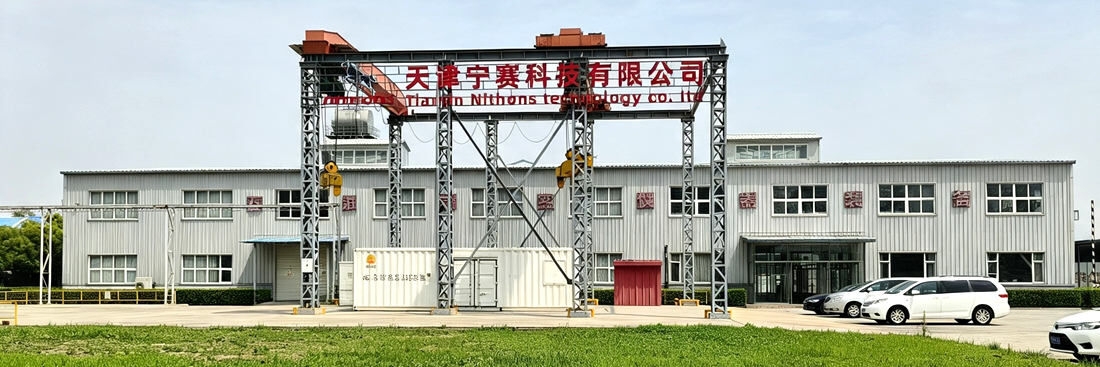
NFSQ2017 High-Pressure High-Temperature Dynamic Slurry Filtration Apparatus (14 MPa / 260°C)
Engineering Philosophy & Wellbore Hydrodynamic Simulation
In deep and ultra-deep cementing regimes, conventional static filtration cells fail to reflect the continuous erosive forces generated by circulating slurry columns against formation faces. The NFSQ2017 Dynamic Fluid Loss System, engineered by Tianjin Nithons Technology Co., Ltd., bridges this critical testing blind spot by reproducing downhole hydrodynamic annular shearing under controlled geothermal conditions. Combining specialized fluid-handling circuits with industrial cabinetry co-developed with Tokyo GEO, the unit integrates all high-pressure plumbing, drive mechanisms, and thermal loops into an ergonomic footprint measuring 56 cm × 92 cm × 152 cm with an overall equipment mass of 190 kg.
Fully compliant with API Spec 10A, API Spec 10B, and ISO 10426 directives, the apparatus operates reliably up to a maximum continuous ceiling of 14 MPa (2,030 psi) and 260°C (500°F). To recreate formation-slurry shear interfaces realistically, an internal precision paddle maintains a stabilized rotation at 150 ± 15 rpm inside a generous 450 ml sample autoclave. This dynamic agitation prevents localized fluid starvation while generating authentic 30-minute cumulative filtration profiles, continuous spurt loss readings, and structurally intact filter cakes for post-test analysis.
Addressing the routine maintenance headaches found in traditional dynamic testers, the NFSQ2017 integrates a proprietary graphite dynamic sealing interface (Patent No. 202020660322.X) alongside an onboard, closed-circuit oil refrigeration assembly. By discarding external cooling water tap lines and eliminating elastomeric dynamic packing wear, the platform offers commercial fluids laboratories an exceptionally stable, plumb-free installation capable of delivering reproducible filtration kinetics.


Technical Breakthroughs & Operational Benchmarks
Engineered to mitigate common operational pain points such as high-temperature packing degradation, laboratory plumbing dependencies, and mechanical strain during cleanup, the NFSQ2017 introduces seven functional design advancements:
- Low-Friction Thermal Graphite Dynamic Seal (Patent No. 202020660322.X): Utilizes self-lubricating graphite sealing geometry rated for continuous 260°C runs, completely preventing spindle galling and premature fluid leakage under cyclic high pressure.
- Self-Contained Recirculating Oil Chiller: Equipped with a built-in closed refrigeration cycle that pulls vessel temperatures down efficiently without relying on municipal water connections or external drain plumbing.
- Pivot-Bearing Tilting Assembly with Solenoid Lock: Smooth 90° cell rotation is facilitated by heavy-duty self-aligning bearings, while an automated electromagnetic interlock prevents tilting or opening whenever internal vessel pressure exceeds baseline safety levels.
- 450 ml Expanded High-Volume Chamber: Prevents premature fluid exhaustion during prolonged dynamic tests, ensuring the filter medium remains fully wetted without premature gas breakthrough.
- Autonomous High/Low Differential Pressure Regulation: High-precision pneumatic stages manage nitrogen driving force and back-pressure balances per API standards, removing the inconsistency of manual needle-valve tuning.
- Integrally Sintered Dual-Grid Filtration Medium: Features a 325-mesh fine working layer bonded through high-vacuum diffusion to a structural 60-mesh substrate, eliminating screen deformation under high loads and cutting consumable replacement costs.
- Fluid Dynamic Paddle Profile: Contoured blade geometry maintains uniform slurry suspension and prevents localized polymer agglomeration or dead zones around the central drive shaft.


Standardized Laboratory Testing Protocol
Performing dynamic filtration characterization on the NFSQ2017 follows a strict procedural flow aligned with API Spec 10B guidelines, coordinating precision heating, stable mechanical rotation, and automated gas pressure gradients across seven defined phases:
- Slurry Mixing & Conditioning: Slurry samples are mixed according to API Spec 10A using an automated shear mixer, followed by pre-conditioning to downhole bottom-hole circulating temperature in an atmospheric consistometer.
- Filtration Cell Setup & Sample Infill: The autoclave is tilted horizontally along its bearing axis, the dual-layer sintered screen (325-mesh oriented inward) and resilient gaskets are positioned, and 450 ml of conditioned slurry is charged into the vessel.
- Vessel Sealing & Operating Alignment: The cell closure is secured via the coarse-thread top nut, returned upright into operating position, and locked in place where the automated safety interlock confirms readiness.
- Pneumatic Connections & Atmospheric Purge: The high-pressure nitrogen gas drive lines and the effluent back-pressure receiver are coupled; a preliminary gas purge displaces entrapped air within the manifold.
- Drive Motor Activation & Parameter Presetting: Agitation is engaged on the Omron touchscreen console to 150 ± 15 rpm, followed by entering specific target test temperatures (up to 260°C) and differential pressure parameters.
- Filtration Dynamic Sampling: Upon thermal-pressure stabilization, the discharge manifold opens. Filtrate discharge is monitored and recorded at designated intervals (1, 2, 5, 7.5, 15, and 30 minutes) to construct fluid loss curves.
- Chiller Quenching, Depressurization & Mud Cake Recovery: The internal oil cooling circuit brings the chamber down to handling temperatures; gas pressure is safely bled off, and the cell is swung outward for rapid cleaning and physical filter cake examination.
Performance Parameters & Technical Attributes
| Parameter | Specification |
|---|---|
| Product Model & Series | NFSQ2017 (Fluid Loss Analysis Series Flagship Edition) |
| Maximum Working Pressure | 14 MPa (2,030 psi) Locked Single Operational Limit |
| Maximum Working Temperature | 260°C (500°F) Continuous Closed-Loop Thermal Rating |
| Standard Compliance | API Spec 10A, API Spec 10B, ISO 10426, GB/T 10238 |
| Stirring Paddle Rotational Speed | 150 ± 15 rpm (API Standard Dynamic Rotation) |
| Slurry Cup Working Capacity | 450 ml High-Capacity Fluid Loss Slurry Chamber |
| Dynamic Shaft Sealing Technology | Patented Graphite Rotary Dynamic Seal (Patent: 202020660322.X) |
| Filtration Screen Specification | Dual-Layer Vacuum-Sintered Screen (325-mesh work / 60-mesh support) |
| Vessel Tilting Mechanism | Bearing-Assisted 90° Pivot with Electromagnetic Safety Lock |
| Cooling Method | Built-In Closed-Loop Recirculating Oil Cooling (Zero Water Hookup) |
| Temperature Control Instrumentation | UK Eurotherm 3000 Series Digital Microprocessor PID Controller |
| Operator Interface & PLC | Japan Omron Color Industrial Touchscreen HMI and PLC Controller |
| Internal Electric Heating Capacity | 2500 W Heavy-Duty Ceramic Heating Collar |
| Electrical Power Supply | AC 220–240V 50/60Hz (Optional AC 100–110V 60Hz Customization) |
| Chassis Dimensions (W × D × H) | 56 cm × 92 cm × 152 cm Floor-Standing Console |
| Net Equipment Weight | 190 kg Rigid Structural Steel Cabinet |
Structural Integrity & Rotary Seal Metallurgy
The core autoclave structure of the NFSQ2017 is engineered to withstand continuous thermomechanical fatigue resulting from 14 MPa containment and 260°C heat cycles. Precision-machined from forged high-nickel stainless steel, the vessel undergoes advanced chemical passivation to neutralize the corrosive impact of saturated brine slurries, chemical additives, and sour gas traces. Internally honed cylinder walls ensure precise coaxial alignment between the shaft and chamber walls, guaranteeing symmetric annular clearance and uniform hydrodynamic shearing across the mud cake interface.
The primary mechanical innovation lies in the patented dynamic sealing assembly (Patent No. 202020660322.X). Traditional dynamic testers often rely on elastomer packings or mechanical seals that quickly harden, tear, and leak under high abrasive slurry shear above 200°C. Nithons incorporates a self-lubricating, micro-crystalline graphite ring running against a mirror-finished tungsten carbide seat. This arrangement maintains reliable hydraulic containment across extreme 14 MPa / 260°C envelopes while dramatically curbing frictional drag and extending seal service intervals far beyond ordinary elastomeric seals.
The base filtration boundary utilizes a high-integrity dual-layer vacuum-sintered stainless steel filter screen. Rather than stacking loose meshes that buckle under sudden pressure differentials, a 325-mesh (45-micron) woven face is permanently diffusion-bonded to a heavy 60-mesh backing grid. This monolithic screen geometry prevents wrinkling and wire slippage during full-pressure filtration runs, while its decoupled mounting ring allows independent replacement to reduce consumable expenditures.


Control Architecture & Real-Time Data Acquisition
System instrumentation on the NFSQ2017 is managed by a high-speed industrial PLC working in direct synchronization with an Omron color touchscreen HMI. The controller continuously samples key parameters-slurry temperature, driving nitrogen pressure, back pressure, and drive motor amperage-at millisecond frequencies, applying real-time digital filtering to isolate true fluid properties from mechanical vibration.
Precision thermal profiles are governed by an integrated Eurotherm 3000 Series PID microprocessor running a 2500 W external ceramic heating band. The control algorithm actively compensates for exothermic cement hydration reactions, maintaining slurry temperatures within a tight ±0.5°C tolerance up to 260°C. In parallel, dual proportional electro-pneumatic valves modulate the nitrogen drive lines and receiver back pressure to automate target differential pressure curves without manual intervention.
The graphical Omron console visualizes an active system piping layout, offering live telemetry on valve orientations, thermal trajectories, and ongoing filtration curves. Embedded firmware computes cumulative fluid loss, dynamic spurt loss, and mud cake accumulation rates instantaneously. Multi-level safety interlocks oversee the entire process, instantly deactivating the heating bands and venting vessel pressure if anomalous temperature, overpressure, drive current surges, or cell unlatching are identified.


Ergonomic Layout & Laboratory Usability
Engineered for high-volume service laboratories, the NFSQ2017 emphasizes operational ergonomics to streamline daily workflows and minimize manual physical exertion:
- Low-Effort Bearing Pivot: Pillow-block pivot bearings support the heavy autoclave, enabling technicians to swing the vessel into a horizontal orientation for charging and cleaning with simple manual effort.
- Automated Pressure Interlock: A dedicated solenoid safety latch mechanically secures the vessel vertical whenever internal pressure exceeds 0.2 MPa, preventing hazardous manipulation while pressurized.
- Self-Contained Chilling System: Eliminates water supply hoses, external drains, and biological scaling, allowing flexible equipment placement anywhere in the testing facility.
- Two-Turn Acme Closure: A coarse-pitch Acme thread cap allows the cell to be fully secured or opened in two quick revolutions using an ergonomic lever, eliminating cumbersome multi-bolt torque patterns.
- Segregated Electronics Compartment: Sensitive electrical components, Eurotherm controllers, and Omron PLC modules are housed in a separate sealed enclosure protected against fluid contact and airborne mists.
Quality Assurance Protocols & Factory Acceptance Standards
Prior to customer dispatch, every NFSQ2017 system undergoes comprehensive Factory Acceptance Testing (FAT) compliant with ISO 9001:2015 frameworks and API Spec 10B evaluation procedures:
- Hydrostatic Proof Testing (1.25x Design Limit): The forged pressure chamber is tested to 17.5 MPa (2,540 psi) to confirm metallurgical soundness and pressure containment reliability.
- Continuous 8-Hour Thermal-Shear Burn-In: Fully assembled systems undergo an 8-hour continuous verification cycle at 14 MPa, 260°C, and 150 rpm dynamic rotation to validate seal durability, PID accuracy, and cooling system efficiency.
- Stroboscopic Tachometer Calibration: Rotational drive consistency is certified via digital laser tachometers to guarantee agitation remains firmly within 150 ± 15 rpm.
- Certified Factory Documentation Dossier: Equipment ships accompanied by hydrostatic inspection certificates, material trace sheets, thermocouple calibration documentation, and ISO 9001:2015 compliance records.
Fluid Loss Equipment Portfolio Comparison
To assist fluid engineers in selecting the right instrumentation for specific wellbore conditions, the dynamic NFSQ2017 is benchmarked below against static and low-temperature models in the Nithons product line:
| Specification Parameter | NDJQ2017 (Low-Temp Tester) | NJSJ2017 (HPHT Static Tester) | NFSQ2017 (HPHT Dynamic Flagship) |
|---|---|---|---|
| Testing Dynamics | Static Filtration | Static Filtration | Dynamic Agitation (150 ± 15 rpm) |
| Maximum Working Pressure | 14 MPa (2,030 psi) | 14 MPa (2,030 psi) | 14 MPa (2,030 psi) |
| Maximum Working Temperature | -10°C to Ambient | Up to 260°C (500°F) | Up to 260°C (500°F) |
| Slurry Chamber Volume | 250 ml Standard | 450 ml Standard | 450 ml Anti-Gas Channeling Cup |
| Dynamic Sealing Type | N/A (Static Seal) | N/A (Static Seal) | Patented Graphite Rotary Seal |
| Cooling Configuration | Internal Refrigeration | External Air/Water Quenching | Built-In Closed-Loop Oil Cooling |
| Chassis Dimensions (W × D × H) | 32 × 35 × 80 cm | 30 × 32 × 80 cm | 56 × 92 × 152 cm |
| Net Equipment Weight | 36 kg Benchtop | 36.5 kg Benchtop | 190 kg Floor Cabinet |
Target Applications & Field Utility
The NFSQ2017 delivers dynamic filtration insights for critical oilfield engineering and laboratory research operations globally:
- HPHT Deep Gas Well Cement Slurry Design: Evaluates dynamic filtration and spurt loss during continuous circulation, mitigating formation damage and annular gas migration risks.
- High-Permeability Zonal Isolation & Cake Building: Quantifies filtration cake thickness and compressibility across depleted zones, optimizing fluid loss additive dosage.
- Geothermal Reservoir Cementing Formulations: Examines polymer degradation and thermal stability of fluid loss control agents under prolonged 260°C exposure.
- Mud Cake Depositional Quality & Lubricity: Measures dynamic filtration behavior in both water- and oil-based drilling fluids to minimize differential sticking risks during tripping.
- Petroleum Chemical R&D Laboratories: Delivers an API Spec 10B compliant platform for chemical manufacturers and university laboratories screening next-generation synthetic fluid loss additives.
Export Packaging & Global Shipping Standards
To preserve instrument calibration and provide comprehensive mechanical isolation during international multi-leg transport, the NFSQ2017 is prepared under Nithons Packaging Specification 2 (Heavy-Duty Plywood Enclosure with Skid Base):
- Fumigation-Exempt ISPM 15 Compliant Plywood Crate: Built from certified export-grade engineered plywood over reinforced base runners, ensuring frictionless customs clearance across worldwide ports.
- Direct High-Strength Chassis Anchor Fasteners: The 190 kg floor cabinet is fastened directly to the timber base frame via high-tensile M16 steel anchors, preventing internal movement during transit.
- Reinforced Four-Way Forklift Entry Base: Heavy-duty skid runners facilitate safe handling by standard industrial forklifts and container yard equipment.
- Vapor-Sealed Aluminum Foil Enclosure: The entire assembly is sealed within a heat-welded multilayer moisture barrier with industrial-grade desiccants to safeguard polished alloys from marine humidity and salt spray.
- Custom CNC-Formed EPE Shock Absorbers: Form-fitting expanded polyethylene buffers shield the Omron touchscreen, precision valves, and drive assemblies against severe mechanical vibrations.
Technical FAQ
Q1: How does the patented graphite dynamic seal enhance operational reliability compared to conventional seals?
The patented dynamic seal assembly (Patent No. 202020660322.X) combines self-lubricating graphite rings with polished tungsten carbide mating faces. This combination withstands 14 MPa and 260°C without scoring the rotating shaft or requiring constant elastomeric packing maintenance.
Q2: What operational benefit does the built-in closed-circuit oil cooling loop deliver?
By integrating an internal recirculating oil chiller, the system operates completely independent of external tap water lines or laboratory drains, avoiding plumbing hookups and preventing internal waterway scaling.
Q3: How does the bearing-mounted pivot mechanism assist laboratory technicians?
The cell is supported by heavy-duty pillow-block bearings, allowing operators to tilt the 190 kg assembly horizontally for sample addition and cleaning with smooth, low-strain manual force. A solenoid safety latch prevents pivoting whenever the vessel holds pressure above 0.2 MPa.
Q4: Why is the vacuum-sintered dual-mesh filter screen preferred over traditional layered wire cloth?
The 325-mesh working screen is diffusion-bonded to a heavy 60-mesh substrate during vacuum sintering, preventing screen wrinkling or distortion under high differential pressures and significantly lowering ongoing consumable costs.
Q5: What factory support and technical services are provided alongside the equipment?
Every unit is backed by complete FAT documentation dossiers, video operational guides, available spare consumables, and direct technical engineering consultation within 24 working hours.
Industry Presence & Collaborative Partnerships
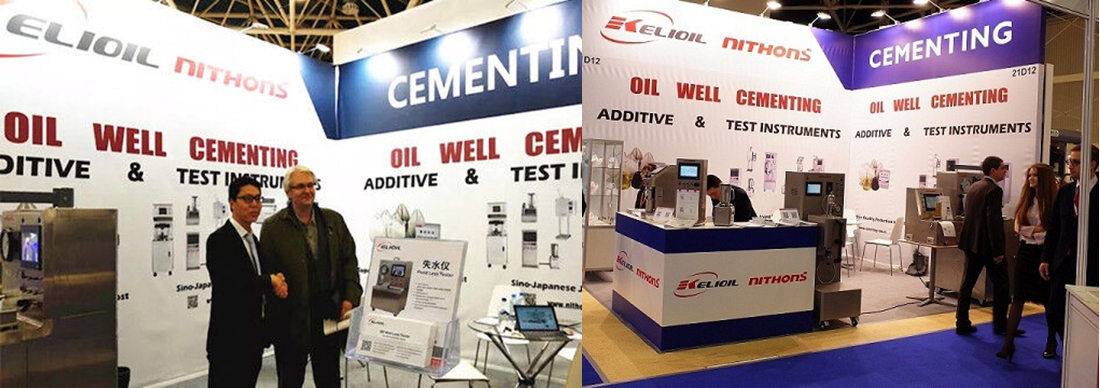
Nithons consistently presents its testing technologies at major international energy conventions, including ADIPEC in Abu Dhabi, KIOGE in Almaty, and Rio Oil & Gas. Our engineering teams collaborate with international service providers, national energy laboratories, and research institutions worldwide, providing rugged API-compliant fluid loss evaluation instrumentation for demanding wellbore simulation projects.
Engineering Consultation & Procurement Inquiries
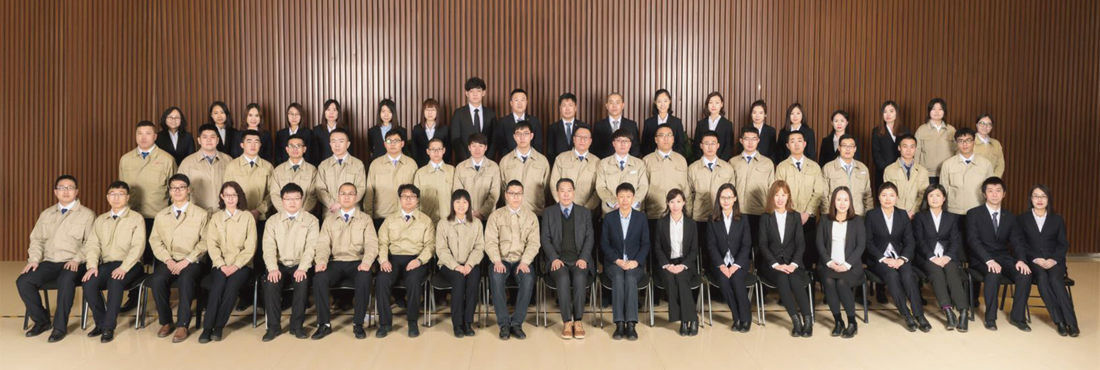
For in-depth technical specifications, laboratory configuration planning, or institutional procurement proposals regarding the NFSQ2017 Dynamic Fluid Loss System, please reach our technical engineering desk via Phone, WeChat, and WhatsApp at +8618526805985, or via email at abroadsales8@nithons.com. Our technical team will reply within 24 working hours to assist with your testing requirements.
Hot Tags: nfsq2017 high-pressure high-temperature dynamic slurry filtration apparatus (14 mpa / 260°c), China nfsq2017 high-pressure high-temperature dynamic slurry filtration apparatus (14 mpa / 260°c) manufacturers, suppliers, factory, fluid loss evaluation report tester, fluid loss rate tester, fluid loss saturation tester, fluid loss specification tester, fluid loss technical document tester, fluid loss temperature tester

