



Cementing operations are a key step in ensuring the stable production of oil and gas wells. In the 2025 QS Petroleum Engineering rankings, ten universities have each made distinctive contributions in the field of cementing. Companies such as KELIOIL, which specializes in manufacturing cementing additives, and NITHONS which focuses on manufacturing cementing testing equipment, always the provider of the universities.
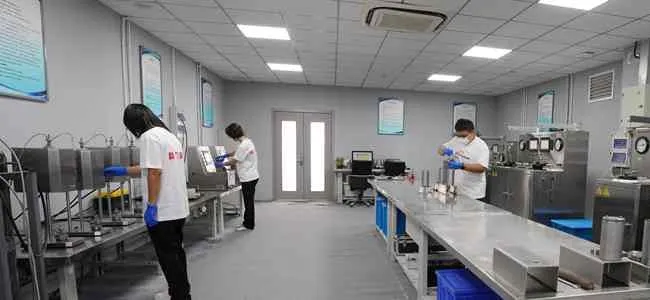
1. The University of Texas at Austin (USA)
Focuses on breakthroughs in cementing technology under complex geological conditions. For deepwater and ultra-deep formations, it has developed special additives to optimize cement slurry systems. The university also uses simulation technology to model fluid flow in the cementing process and the mechanical behavior of cement setting, providing insights for equipment improvements and construction plan optimization.
2. University of Alberta (Canada)
Specializes in cementing research in low-temperature and permafrost regions. It has developed low-temperature-resistant cementing additives to address cement hydration and strength development issues in frozen ground. For oil sands reservoirs, it studies integrated sand-control cementing technology and improves the precision of testing equipment to ensure post-cementing well productivity and stability.

3. Texas A&M University (USA)
Committed to innovation in cementing materials and engineering applications. It develops high-strength, low-density cement for different well types, paired with novel additives. Its work on cementing testing equipment emphasizes intelligence, integrating sensors and data analysis algorithms to monitor cementing parameters in real time, thereby enhancing operational efficiency and quality control.

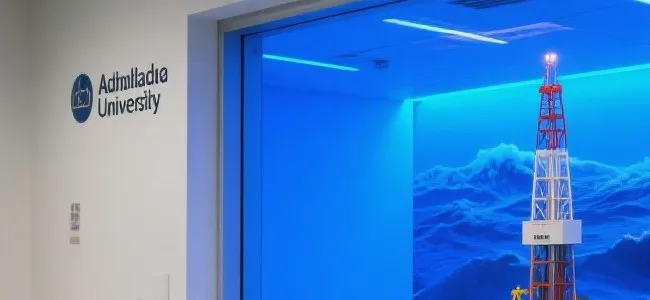
4. University of Adelaide (Australia)
Specializes in cementing for offshore oil and gas wells and high-temperature geothermal wells. For high-temperature, high-pressure conditions, it develops anti-degradation high-temperature-resistant additives and cement systems. In offshore cementing, it optimizes cement slurry rheology and improves testing equipment to adapt to marine operational conditions, supporting offshore oil and gas resource development.
5. King Fahd University of Petroleum and Minerals (Saudi Arabia)
Focuses on cementing research for ultra-large well clusters and high-temperature, high-pressure gas wells. It develops anti-sulfide, anti-gas migration high-temperature additives to create high gas-tightness cementing systems, and explores modified natural-material-based additives to improve cementing adaptability to the desert's high-temperature, high-salinity formations.

6. Imperial College London (UK)
Combines fundamental cementing theory with advanced technology. It studies the relationship between the microstructure and mechanical properties of set cement to support additive development and slurry design. The university also explores self-healing cement systems, pairing them with high-precision testing equipment to detect cementing defects and trigger repair mechanisms.
7. Khalifa University (UAE)
Addresses cementing challenges in the Middle East's high-temperature, high-salinity oil and gas fields. It develops extreme corrosion-resistant additives and anti-salt contamination cement slurries. The university advances the miniaturization and portability of cementing testing equipment to suit dispersed desert well sites and uses algorithmic analysis of test data to assess cementing quality.
8. Middle East Technical University (Turkey)
Tackles cementing in complex structural zones. For formations with faults and extensive fracturing, it develops additives and techniques for lost-circulation prevention and anti-gas migration to enhance cement barrier integrity. Cementing testing combines multiple methods, using acoustic and electromagnetic detection technologies to identify defects.

9. University of São Paulo (Brazil)
Focuses on pre-salt deepwater oil and gas reservoirs, emphasizing cementing under ultra-high pressure and ultra-deepwater conditions. It develops high-pressure-resistant dispersants and fluid-loss additives, optimizes cement slurry density and rheology, and improves testing equipment to withstand high pressure and interference, enhancing the cementing quality control system.

10. University of Manchester (UK)
Uses materials science and engineering mechanics to advance cementing research. It studies the mechanical behavior of the cement–casing–formation interface, develops interface-strengthening additives and coating materials, and integrates advanced sensing and imaging technologies into testing equipment to achieve three-dimensional visualization of cementing quality.
These universities are driving cementing technology forward from multiple angles. KELIOIL's practical expertise in manufacturing cementing additives and NITHONS' experience in manufacturing oil testing equipment offer valuable industrial references for academic research. Such multi-party collaboration supports the efficient execution of cementing operations in global oil and gas resource development.


