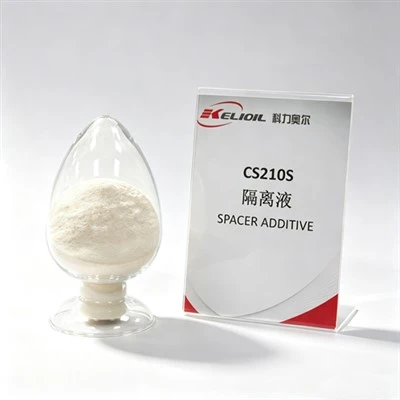

Oilfield cementing is a critical operation in the construction of oil and gas wells. It involves pumping specially formulated cement slurry into the annular space between the wellbore and the casing, or between casing strings. This forms a solid, impermeable barrier that stabilizes the wellbore, isolates formation fluids, supports the casing, and prevents oil and gas leaks. Cementing plays a key role in ensuring the long-term integrity of the well, facilitating efficient resource extraction, and protecting the environment.

Core Components of Cementing
Cement Slurry System
Base Cement: Typically, Portland cements that meet American Petroleum Institute (API) standards-such as Class A, G, or H-are used. The cement type and formulation are selected based on downhole conditions like temperature, pressure, and formation characteristics.
Cement Additives:
Fluid Loss Additives: These additives form a protective film on cement particles to control water loss in the formation, preventing slurry thickening and loss of pumpability. Common types include polymer-based and cellulose-based additives.
Retarders: These delay the setting time of the cement slurry, which is especially important for high-temperature or long-interval wells to avoid premature setting. Lignosulfonates and hydroxycarboxylic acids are typical retarders.
Accelerators: These speed up the cement setting and strength development to allow for quicker well completion. Common examples include calcium chloride and triethanolamine.
Friction Reducers: These reduce flow resistance during slurry pumping, lowering pump pressure and improving efficiency. They also enhance the rheological behavior of the slurry.
Weighting and Lightening Agents: Weighting agents (e.g., barite) increase slurry density for high-pressure formations, while lightening agents (e.g., hollow glass beads) reduce density to prevent losses in low-pressure formations.

Casing and Downhole Tools
Casing: Steel pipe structures inserted into the wellbore to provide structural support and create a flow path for oil and gas when cemented in place.
Centralizers: Devices that keep the casing centered in the wellbore, allowing even cement distribution and ensuring the formation of a complete cement sheath.
Role and Equipment of Cementing Laboratories
Cementing labs play a crucial role in ensuring cementing quality and advancing technology. Key equipment includes:
High-Temperature High-Pressure Consistometer: Simulates downhole conditions to test thickening time and rheology of cement slurry, assessing pumpability and setting behavior.
Curing Chamber: Conditions cement samples under controlled temperature and pressure to mimic downhole environments, allowing for performance testing.
Strength Testing Machine: Measures compressive and flexural strength of cured cement samples to ensure the mechanical integrity of the cement sheath.
Permeability Tester: Assesses the ability of set cement to seal formation fluids, ensuring effective zonal isolation.
Particle Size Analyzer: Evaluates the particle size distribution of cement and additives to better understand their physical properties and optimize formulations.
Mixer: Precisely blends cement, water, and additives to prepare homogeneous cement slurry samples for lab testing.

Types and Challenges of Cementing Operations
Types of Cementing
Primary Cementing: The initial process of pumping cement into the wellbore to isolate formations and support casing.
Secondary Cementing: Used for remedial work such as fixing issues from the primary cement job (e.g., channeling or incomplete zonal isolation) or for isolating specific formations during production.
Challenges in Cementing
Complex Geology: High-temperature/high-pressure formations, salt zones, and loss zones require tailored cement slurry properties and advanced cementing techniques.
Operational Risks: Issues such as premature setting, loss of circulation, or slurry blockage can lead to cementing failures and significant economic losses.
Oilfield cementing integrates materials science, mechanical engineering, and petroleum engineering. Cementing laboratories, through research and testing of cement slurries and additives, provide essential technical support to field operations, playing a vital role in the safe and efficient development of oil and gas resources.