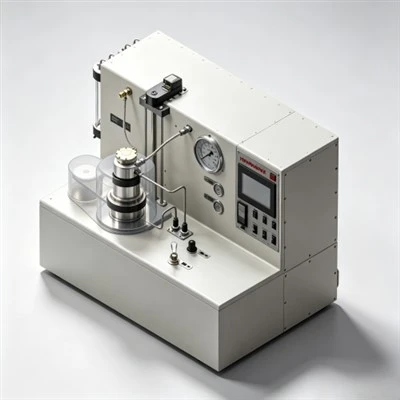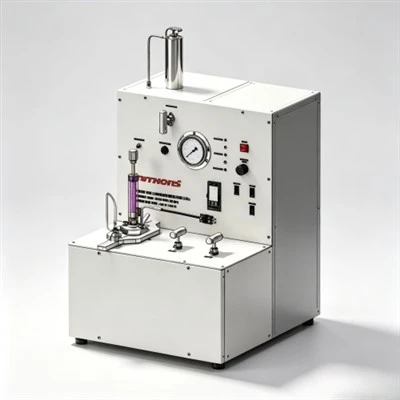

Navigating the diverse types of water loss meters available in the oilfield industry is essential for selecting appropriate laboratory hardware compliant with API Spec 10B standards. Primary types of water loss meters include medium-pressure static testers (such as the ZNS-2A rated to 0.69 MPa), single-cell high-temperature high-pressure (HPHT) units (operating up to 232 °C and 14 MPa), multi-cell or quadruple HPHT apparatuses (like the GGS424A for high-throughput laboratory screening), and dynamic stirred fluid loss cells that simulate downhole shear stress. By understanding the distinct operational types of water loss meters, completion specialists and fluid engineers can accurately evaluate slurry filtration, optimize polymer additive treatments, and ensure wellbore isolation across both shallow formations and deep HPHT reservoirs.
Evaluating these specialized types of water loss meters helps laboratory managers outfit test facilities with equipment tailored to specific operational pressures and testing volumes.
1. Medium-Pressure Static Water Loss Meters
Among basic laboratory instruments, medium-pressure configurations represent widely used entry-level types of water loss meters for routine drilling mud and shallow cement slurry screening.
Key technical features defining medium-pressure types of water loss meters include:
- Standardized Cell Construction: Equipped with 316 stainless steel sample cups rated for working pressures up to 0.69 MPa (100 psi) to 1.0 MPa.
- Standard API Filtration Area: Incorporates precision cell bases providing an effective filtration area of 45.6 cm² or 22.6 cm².
- Versatile Pressurization Options: Compatible with compact hand pumps or external laboratory nitrogen cylinders fitted with low-pressure manifolds.
- Primary Application Scope: Ideal for rapid field-site QA/QC, surface casing cement verification, and water-based drilling mud routine testing below 100 °C.
Related Technical Reading: Discover technical specifications and hardware characteristics: Key Characteristics of Water Loss Meter Equipment
2. Single-Cell and Quadruple Multi-Cell HPHT Water Loss Meters
When well environments involve elevated bottom-hole circulating temperatures (BHCT) and high formation pressures, specialized high-pressure types of water loss meters become mandatory.
Single-Cell HPHT Units
Single-cell HPHT types of water loss meters feature heavy-duty heating jackets, precision digital temperature controllers, and back-pressure receivers charged up to 3.5 MPa. Operating continuously up to 232 °C (450 °F) and cell pressures under 14 MPa, these units accurately simulate intermediate and deep casing conditions.
Quadruple Multi-Cell HPHT Systems (e.g., Model GGS424A)
For high-capacity central laboratories, quadruple multi-cell types of water loss meters integrate four independent high-pressure test cells into a single benchtop frame. This design allows technicians to execute four simultaneous API filtration tests at varying temperatures or additive dosages, vastly increasing daily batch testing efficiency.
Related Technical Reading: Explore how filtration equipment prevents downhole risk and saves rig operational costs: The Economic and Engineering Value of Water Loss Meter Evaluation
3. Dynamic Stirred Water Loss Meters
Dynamic conditions alter filter cake deposition rates during slurry pumping. Stirred types of water loss meters incorporate internal magnetic or mechanical drive paddles to simulate continuous fluid shear.
Operational capabilities of dynamic stirred types of water loss meters include:
- Shear-Rate Simulation: Internal stirring paddles rotate between 150 rpm and 350 rpm to replicate dynamic flow through casing annuli.
- Controlled Static Transition: Paddles can be stopped automatically to evaluate filter cake consolidation under static transition conditions.
- Prevents Particle Sedimentation: Keeps heavy weighting agents (such as barite or hematite) suspended during extended thermal conditioning cycles.
Regional Application Case: Sichuan Basin Deep Shale Gas Fields, China
Case Application: Sichuan Basin Deep Shale Gas & Carbonate Field, China

Regional Cementing Background in Sichuan Basin
The Sichuan Basin in southwestern China hosts extensive deep shale gas reservoirs (Wufeng-Longmaxi formations) and deep complex carbonates exceeding 6,000 meters depth. Well construction requires placing production liners across complex fault systems with bottom-hole temperatures reaching 180 °C and high gas pressure gradients.
Regional Cementing Challenges in Complex Gas Horizons
Severe gas channeling during cement slurry setting led to micro-annular gas pressure at wellheads. Field laboratories needed to evaluate multiple slurry formulations under precise HPHT conditions using specialized types of water loss meters to eliminate fluid loss anomalies.
Technical Requirements for High-Throughput Slurry Testing
Field engineering guidelines utilizing advanced types of water loss meters mandated strict criteria:
- API fluid loss maintained below 20 mL / 30 min at 165 °C under 6.9 MPa differential pressure.
- Simultaneous testing of high-density slurries (up to 2.30 g/cm³) across multiple additive concentrations.
- Complete dynamic stirring capability to prevent barite sag during long conditioning periods.
Related Technical Reading: Examine the engineering advantages of choosing high-spec testing apparatus: Key Advantages of Water Loss Meter in Oilfield Cementing
How Selecting Proper Apparatus Types Resolved Field Challenges
Deploying quadruple HPHT types of water loss meters (GGS424A) alongside stirred dynamic units, laboratory teams accelerated formula optimization. Technicians simultaneously tested four synthetic fluid loss polymer combinations, identifying an optimal latex-polymer blend that reduced water loss to 16 mL / 30 min while maintaining high dynamic stability.
Regional Application Case Results
Optimizing testing workflows through suitable types of water loss meters delivered remarkable operational success across 18 deep shale gas wells:
- Cement placement completed across long horizontal sections without fluid loss bridge-offs.
- Zero sustained casing pressure (SCP) recorded during long-term production testing.
- Ultrasonic Cement Bond Logs (CBL) confirmed 96% excellent bonding quality across pay zones.
Comparative Technical Matrix of Water Loss Meter Categories
Evaluating the technical specs across various types of water loss meters highlights their ideal application environments in field and research laboratories.
| Category / Meter Type | Pressure Rating | Temperature Limit | Sample Capacity | Primary Field Suitability |
|---|---|---|---|---|
| Medium-Pressure Tester (ZNS-2A) | 0.69 MPa (100 psi) | Ambient – 150 °C | 240 mL – 350 mL | Field mud labs & surface casing cementing QA/QC |
| Single-Cell HPHT Tester | Up to 14.0 MPa | Up to 232 °C | 175 mL – 500 mL | Deep HPHT casing cementing & liner evaluation |
| Quadruple HPHT Unit (GGS424A) | 3.5 – 7.1 MPa | Up to 200 °C | 4 x 250 mL Cells | High-throughput central laboratory batch screening |
| Dynamic Stirred HPHT Unit | Up to 14.0 MPa | Up to 250 °C | 500 mL Stirred Cell | Simulating shear stress in long horizontal wellbores |
Choosing appropriate types of water loss meters based on this matrix ensures compliant testing tailored to operational complexity.
Maintenance and Selection Best Practices for Water Loss Testing Equipment
To preserve accuracy across all types of water loss meters, laboratory teams must follow structured operational guidelines.
Recommended maintenance best practices include:
- Screen Integrity Verification: Inspect 325-mesh filter screens on both static and dynamic cells for tears or chemical clogging before each run.
- Seal Replacement Schedule: Replace Viton O-rings regularly on high-pressure types of water loss meters exposed to aggressive polymer additives above 150 °C.
- Back-Pressure Cleanliness: Ensure back-pressure receiver drain valves are kept clear of set cement residue to prevent pressure traps.
- Temperature Calibration: Calibrate digital PID temperature controllers quarterly using certified reference thermocouples.
Frequently Asked Questions (FAQ)
What are the primary types of water loss meters used in cementing labs?
The primary types of water loss meters include medium-pressure static testers, single-cell HPHT units, quadruple multi-cell HPHT testers, and dynamic stirred fluid loss cells.
When should a quadruple HPHT water loss meter be selected over a single-cell unit?
Quadruple HPHT units are ideal for central laboratories processing high sample volumes, as they allow technicians to run four independent test cells simultaneously, saving significant time.
Why is a dynamic stirred water loss meter necessary for horizontal well slurry testing?
Stirred units simulate downhole dynamic shear, preventing heavy weighting agents from settling while accurately modeling fluid loss behavior under continuous circulation.
What pressure rating is required for standard API HPHT fluid loss testing?
API Spec 10B recommends a standard differential filtration pressure of 3.5 MPa (500 psi) maintained across the test cell and back-pressure receiver.
Selecting the Right Filtration Hardware for Complete Well Integrity
Understanding the operational advantages of distinct types of water loss meters empowers petroleum laboratories to outfit their facilities with the exact testing capabilities required for modern well design. By deploying appropriate medium-pressure, HPHT multi-cell, or dynamic stirred apparatuses, oilfield engineers ensure accurate slurry evaluation, safeguard downhole formations, and achieve long-term zonal isolation in every wellbore.
Equip Your Laboratory with API-Compliant Water Loss Testers
We manufacture premium medium-pressure, single-cell HPHT, quadruple multi-cell, and dynamic water loss meters designed for rigorous oilfield testing.
Explore Our Cement Testing PortfolioOptimizing Field Operations with Standardized Testing and Engineering Support
Achieving long-term zonal isolation and wellbore integrity requires a comprehensive understanding of both chemical additive performance and precise downhole condition simulation. Whether evaluating slurry thickening time, controlling fluid loss, or monitoring compressive strength development, operators must align laboratory testing protocols with rigorous API RP 10B-2 and ISO 10426 standards. Implementing standardized testing equipment ensures reliable, repeatable data that translates directly to successful field execution in complex HPHT and deepwater environments.
As well geometries become more complex and environmental regulations stricter, customized slurry designs and real-time laboratory verification are essential for preventing fluid migration and casing failure. Integrating high-performance testing instruments with advanced chemical packages minimizes operational risks, reduces wait-on-cement (WOC) time, and optimizes overall well construction economics across the entire asset lifecycle.
Need Customized Cementing Equipment or Chemical Testing Solutions?
Our technical team provides high-precision laboratory testing equipment and tailored slurry additive formulations to meet your specific field requirements. Contact our engineers today to optimize your cementing operations.
Contact Our Technical Experts