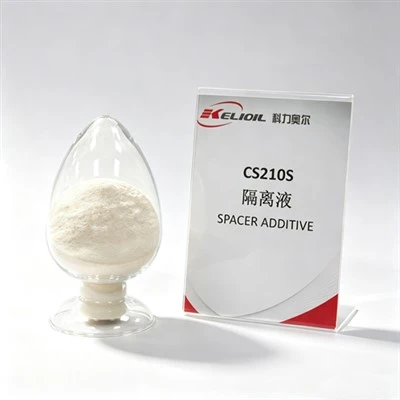

Understanding retarders in cementing operations requires analyzing chemical additives specifically formulated to delay the hydration reaction of oilwell cement, thereby extending the slurry thickening time during high-pressure high-temperature (HPHT) pumping. In modern well construction, chemical retarders in cementing prevent early gelation and flash setting as cement slurries travel down thousands of meters into elevated bottomhole circulating temperatures (BHCT). When petroleum engineers evaluate retarders in cementing, they focus on mechanisms such as calcium ion chelation, surface adsorption onto tricalcium silicate (C₃S), and crystal nucleation inhibition. By incorporating specialized retarders in cementing formulations, field operators maintain low slurry viscosity for extended pumping durations, ensuring sufficient safety margins during long liner displacements. Utilizing high-performance retarders in cementing guarantees that slurries remain pumpable until full annular placement is achieved, after which they transition rapidly into high compressive strength cement barriers that deliver reliable zonal isolation.
A comprehensive study of additive classifications, chemical reaction mechanisms, API testing protocols, and field temperature limits demonstrates how specialized retarding chemistries safeguard wellbore integrity and optimize annular barrier longevity.
1. Chemical Classifications and Temperature Operational Windows
The operational success of retarders in cementing depends heavily on matching the chemical composition of the additive to the bottomhole thermal profile. Oilfield cementing chemicals are categorized by their molecular structure, thermal endurance, and chemical reactivity with anhydrous Portland cement clinker phases.
Primary chemical families defining retarders in cementing technology include:
- Lignosulfonate Retarders (60°C – 120°C / 140°F – 248°F): Calcium and sodium lignosulfonates represent cost-effective options for low-to-medium temperature wells. These natural organic polymers function primary via surface adsorption on hydration sites, dispersing cement particles while temporarily retarding initial setting time. Modified variants incorporating sugar-free processing or synthetic side chains offer superior consistency.
- Hydroxycarboxylic Acid Retarders (90°C – 150°C / 194°F – 302°F): Tartaric, citric, and gluconic acids offer strong chelation capacity. These low-molecular-weight organic acids bind free Ca²+ ions in the aqueous pore solution, effectively delaying calcium silicate hydrate (C-S-H) crystallization and delivering sharp transition set behavior.
- Synthetic AMPS Copolymer Retarders (110°C – 200°C+ / 230°F – 392°F+): Advanced synthetic polymers containing 2-acrylamido-2-methylpropanesulfonic acid (AMPS) resist severe thermal hydrolysis. These molecules maintain structural stability in extreme bottomhole static temperatures (BHST), ensuring linear retarding profiles in deep HPHT wells without causing extended transition phases.
- Organophosphonate Retarders (120°C – 220°C / 248°F – 428°F): Extremely potent active compounds designed for extreme environments. Organophosphonates work effectively at minimal dosage concentrations by poisoning micro-crystal growth sites during early hydration stages.
Selecting appropriate retarders in cementing involves evaluating downhole circulation dynamics. Bottomhole circulating temperature (BHCT) dictates the hydration rate, while bottomhole static temperature (BHST) influences post-placement compressive strength development. Miscalculating these operational windows can lead to premature slurry setting or severe over-retardation.
Related Technical Reading: Examine base hydraulic cement composition and standard specifications in What is Oil Well Cement: API Spec 10A Chemistry and Performance.
2. Retarder Comparison Matrix: Chemical Properties and Field Compatibility
Selecting appropriate retarders in cementing requires balancing thermal endurance, salt sensitivity, dosage control, and slurry hydration behavior. Chemical additives interact differently depending on water quality, mix fluid salinity, and complementary slurry additives such as dispersants and fluid loss agents.
The comparative matrix below details performance parameters for major categories of retarders in cementing applications:
| Retarder Chemical Class | Temperature Range (°C) | Typical Dosage (% BWOC) | Brine / Salt Tolerance | Primary Operational Advantage |
|---|---|---|---|---|
| Modified Lignosulfonates | 60°C – 120°C | 0.2% – 1.0% | Moderate (up to 10% NaCl) | Economical baseline option with excellent slurry dispersion side-effects. |
| Hydroxycarboxylic Acids | 90°C – 150°C | 0.1% – 0.5% | High (Saturated Brines) | Sharp "Right-Angle Set" behavior, minimizing transition gas migration risks. |
| Synthetic AMPS Polymers | 110°C – 200°C+ | 0.5% – 2.5% | Excellent (Saturated Salt & CaCl²) | Non-degrading thermal stability; seamless synergy with fluid loss polymers. |
| Inorganic Borate Complexes | 130°C – 210°C | 0.3% – 1.2% | High | Acts as a powerful synergist when paired with organic lignosulfonates. |
Systematic comparison highlights why advanced synthetic retarders in cementing are essential for ultra-deep drilling where thermal degradation of organic additives could cause unpredictable setting behavior. In high-salinity mixing fluids, traditional lignosulfonates may exhibit unpredictable thickening curves, whereas synthetic AMPS-based polymers retain precise chemical functionality regardless of ionic strength.
Related Technical Reading: Deepen your understanding of concentration sensitivity and dosage limits in What Is a Cementing Retarder: Fundamental Mechanisms and Dosage Control.
3. Four Core Chemical Mechanisms Driving Hydration Delay
To understand how retarders in cementing extend pumpability, slurry chemists analyze four primary micro-chemical interaction mechanisms operating at the solid-liquid interface of hydrating cement clinker phases.
Fundamental working mechanisms of retarders in cementing include:
- Surface Adsorption Theory: Polymer molecules adsorb directly onto the anhydrous surfaces of tricalcium silicate (C₃S) and tricalcium aluminate (C₃A) grains. This creates a temporary physical and hydrophobic barrier that restricts water molecules from contacting reactive mineral surfaces, delaying initial dissolution and early hydration product formation.
- Calcium Chelation: Functional groups such as carboxyl, hydroxyl, and sulfonate groups bind free Ca²+ ions present in the pore fluid. By sequestering calcium ions, the retarder suppresses the supersaturation state required for calcium hydroxide (Ca(OH)²) and calcium silicate hydrate (C-S-H) to precipitate.
- Nucleation & Crystal Growth Inhibition: Retarder molecules attach themselves to newly formed sub-microscopic nuclei of hydration products. By occupying active growth sites on initial C-S-H lattices, the additive poisons further crystal growth, halting early gelation and keeping the slurry in a fluid state.
- Semi-Permeable Membrane Formation: Organo-calcium complexes precipitate directly onto cement particles, forming an encircling semi-permeable dynamic layer. This coating permits slow water diffusion while blocking outward diffusion of dissolved silicate and calcium ions. Pumping time is extended until osmotic pressure ruptures the membrane, initiating rapid hydration.
In high-performance slurries, these mechanisms frequently operate in combination. For instance, synthetic polymer retarders in cementing may utilize simultaneous surface adsorption and calcium chelation, delivering precise control over consistency development during prolonged displacement operations.
Related Technical Reading: Discover how retarders interact with fluid loss polymers to prevent dehydration in Understanding Fluid Loss in Cementing: Mechanisms and Risks.
Regional Application Case: Gulf of Mexico Deepwater HPHT Ultra-Deep Subsalt Operations
Case Application: Ultra-Deep Production Liner Cementing, Offshore Mississippi Canyon

Regional Cementing Background in Gulf of Mexico Subsalt Wells
Offshore operators navigating complex deepwater formations in the Mississippi Canyon block encounter ultra-deep subsalt exploration targets. These formations present narrow drilling margin windows, high geopressures, and elevated bottomhole static and circulating temperatures. Well construction designs require long, deep production liners placed through thick salt sheets where displacement times are extended due to equivalent circulating density (ECD) restrictions.
Regional Operational Challenges in Extreme HPHT Environments
Pumping cement slurries down deepwater marine risers into subsea wellheads exposes the fluid to cold seabed temperatures before it enters high-temperature subsalt formations. This extreme thermal gradient demands chemical retarders in cementing that resist premature setting at high BHCT while avoiding excessive hydration delay in cooler upper riser sections. Conventional organic retarders like basic lignosulfonates degrade under high bottomhole temperatures, risking flash setting during displacement delays.
Technical Requirements for HPHT Retarded Cement Slurries
To successfully cement deep subsalt production liners and achieve long-term zonal isolation, engineering guidelines dictate stringent performance criteria:
- Incorporating high-temperature synthetic AMPS-based polymer retarders that resist thermal decomposition across extended placement durations.
- Maintaining stable, predictable slurry consistency below 30 Bearden units (Bc) on API pressurized consistometers throughout slurry placement.
- Achieving a sharp "Right-Angle Set" transition period to shorten the static gel strength buildup window and prevent formation gas influx into the annular column.
- Preventing slurry sedimentation and free water separation in heavy-weight formulations utilizing silica flour and weighting agents.
How Advanced Synthetic Retarders Secured Well Integrity
Field engineers designed a specialized Class H cement slurry formulated with silica flour, synthetic AMPS polymer retarders, and high-temperature fluid loss control agents. The synthetic retarder package provided predictable chemical stability, maintaining flat consistency curves during long displacement across the subsalt interval. Upon reaching location, the chemistry permitted rapid hydration, developing high compressive strength barriers capable of enduring regional tectonic stress.
Regional Application Case Results
Deploying tailored synthetic retarders in cementing operations delivered key operational milestones for deepwater drilling programs:
- Maintained stable slurry pumpability and low plastic viscosity throughout prolonged displacement without surface pressure spikes.
- Eliminated gas migration risks by transitioning rapidly from fluid state to set solid barrier once displacement ceased.
- Promoted accelerated early strength development under static bottomhole temperatures, significantly reducing Waiting-on-Cement (WOC) rig costs.
- Delivered robust long-term zonal isolation confirmed by full hydraulic sealing across high-pressure subsalt pay zones.
4. Laboratory Testing Protocols and Hydration Kinetics (API RP 10B-2)
Validating performance standards for retarders in cementing requires thorough laboratory evaluation under simulated downhole temperature and pressure schedules in accordance with API RP 10B-2 standard practices.
Key laboratory evaluation steps for retarders in cementing include:
- Pressurized Consistometer Testing: Measures slurry thickening time expressed in Bearden units of consistency (Bc). Standard testing simulates heating and pressurization ramps representative of well displacement. Pumpability is defined as the time required for slurry consistency to reach 70 Bc or 100 Bc.
- Right-Angle Set (RAS) Assessment: Evaluates how rapidly a retarded cement transitions from a pumpable state (below 30 Bc) to a solid matrix (100 Bc). A narrow transition time minimizes the critical gel window during which gas or fluid migration can breach the cement column.
- Ultrasonic Cement Analyzer (UCA) Testing: Non-destructively tracks compressive strength growth continuously under downhole temperature and pressure. UCA analysis verifies that the retarder concentration delays initial setting without suppressing late-age strength development.
- Rheological Compatibility Profiling: Evaluates slurry plastic viscosity, yield point, and gel strength using rotational viscometers across varied shear rates to confirm that retarder addition does not compromise fluid rheology.
Engineers must carefully evaluate mix fluid chemistry, as variations in water quality or salt concentration can alter retarding efficiency. Precise dosage control during batch mixing prevents over-retardation, protecting well operations against prolonged WOC times or slurry settling.
Frequently Asked Questions (FAQ)
How do cement retarders differ from fluid loss control additives?
Retarders specifically slow down chemical hydration reaction kinetics to extend slurry pumping time. Fluid loss control additives focus on creating a micro-filter cake along permeable formations to prevent water loss from the slurry. However, certain advanced synthetic polymers exhibit dual-action performance, providing both fluid loss control and high-temperature retardation.
What happens if a cement slurry is over-retarded with excess dosage?
Over-retardation delays initial set time beyond operational requirements, leading to extended waiting-on-cement (WOC) time. In severe cases, over-retardation causes slurry settling, free water separation, density stratification, and compromised long-term compressive strength development.
Why are synthetic AMPS polymers preferred over lignosulfonates in ultra-deep HPHT wells?
Synthetic AMPS polymers possess higher thermal decomposition thresholds (resisting temperatures up to 200°C+), maintaining linear retarding profiles. In contrast, natural lignosulfonates decompose at elevated temperatures, leading to unpredictable slurry thickening times or sudden flash setting.
Can a single retarder product work effectively across all temperature ranges?
No single chemical additive functions economically across all temperature ranges. Low-temperature operations utilize lignosulfonates, mid-temperature wells apply hydroxycarboxylic acids, and extreme HPHT environments rely on synthetic polymers or specialized borate-blended complexes.
Securing High-Temperature Wells with Engineered Retarders
Mastering the application of retarders in cementing allows drilling operators to push well boundaries into deeper, hotter, and higher-pressure hydrocarbon reservoirs. By selecting thermally stable chemical additives, optimizing dosage control, and conducting rigorous API RP 10B-2 laboratory testing, petroleum engineers ensure smooth slurry placement, prevent flash setting, and establish robust, long-lasting zonal isolation across challenging downhole environments.
Tailor Your Cementing Retarder Package for Extreme Downhole Environments
We supply high-performance oilwell cement retarders engineered for precise thickening time control under API Spec 10A standards.
Explore Our Cementing Retarder Portfolio