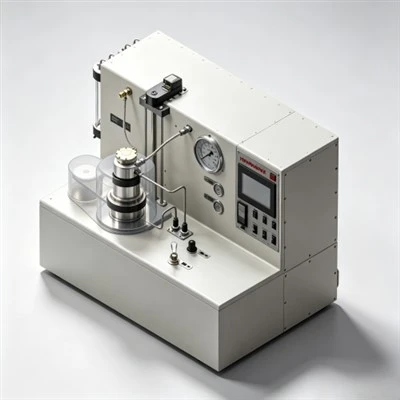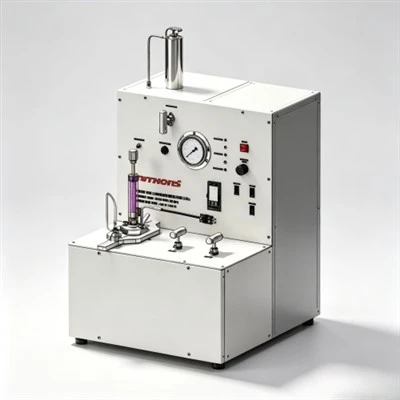

Non-destructive continuous ultrasonic pulse velocity testing using a chilled Ultrasonic Cement Analyzer (UCA) coupled with calibrated destructive hydraulic crush testing under simulated downhole curing conditions represents the definitive laboratory testing methodology to predict low-temperature cement compressive strength progression. In demanding cold-water offshore and shallow sub-arctic drilling environments-such as the complex development blocks of the Central North Sea across the United Kingdom continental shelf where bottom-hole temperatures range between 6°C and 25°C-ambient thermal deficits suppress alite (C₃S) hydration, rendering standard room-temperature tests inaccurate. Incorporating a purpose-formulated low-temperature chemical accelerator powder overcomes the low-temperature kinetic threshold, allowing chilled UCA logging and API hydraulic crush cubes to accurately capture the transition from initial gelation (0.35 MPa / 50 psi) to structural load-bearing capacity (3.5 MPa / 500 psi) within 8 to 12 hours, eliminating premature casing shoe drill-out failures and minimizing waiting-on-cement (WOC) rig standby.
Predicting low-temperature cement compressive strength progression is a vital operational prerequisite during conductor and surface casing operations because unhardened cement leaves subsea wellheads vulnerable to structural subsidence, cyclic current fatigue, and shallow gas cross-flow. Standard laboratory testing protocols conducted without thermal pre-conditioning introduce artificial heat that distorts hydration kinetics, leading engineers to overestimate downhole strength gain. By aligning chilled slurry conditioning, continuous acoustic transit-time tracking, and calibrated mechanical crush verification, drilling teams obtain dependable kinetic data that validates how chemical accelerators drive early matrix crystallization, ensuring uninterrupted well construction and long-term annular zonal isolation.
Explore advanced chemical accelerators and specialized additive formulations engineered for low-temperature wellbore barriers:
Why Conventional Laboratory Protocols Distort Low-Temperature Strength Predictions
In oil well cementing laboratory operations, determining the development curve of low-temperature cement compressive strength is notoriously prone to measurement artifacts. When cement slurries are placed across shallow subsea intervals or cold permafrost horizons, the physical temperature of the surrounding rock limits the molecular collision frequency of dissolved ions. Standard Portland cement clinker minerals-primarily tricalcium silicate (C₃S) and dicalcium silicate (C₂S)-exhibit sluggish dissolution rates below 20°C, remaining trapped in an extended dormant induction period.
Laboratory workflows that fail to isolate environmental heat transfer introduce severe errors into low-temperature cement compressive strength evaluations:
- Laboratory Ambient Thermal Contamination: Mixing dry cement and water at standard laboratory room temperatures (20°C to 24°C) artificially warms the slurry. If a slurry intended for an 8°C seabed is mixed with ambient water, early dissolution kinetics are accelerated, yielding an overly optimistic prediction of low-temperature cement compressive strength that fails to materialize downhole.
- Exothermic Heat Dissipation Artifacts in Small Cubes: During standard 50 mm (2-inch) hydraulic crush cube curing in atmospheric water baths, the ratio of surface area to slurry volume is disproportionately high. In cold curing baths, the small cube loses its latent exothermic heat of hydration to the surrounding water, retarding strength gain compared to a massive, self-insulating downhole annular cement sheath.
- Mechanical Disturbance During Early Demolding: Destructive crush testing requires removing specimens from brass molds. Below 15°C, cement remains friable and plastic for extended periods. Premature demolding creates micro-fractures within the fragile crystal matrix, producing artificially depressed low-temperature cement compressive strength readings.
- Transit-Time Algorithm Drift in Non-Calibrated UCAs: Ultrasonic Cement Analyzers calculate compressive strength by measuring acoustic compression wave transit time. Standard mathematical conversion algorithms are calibrated for higher-temperature slurries. Without specific low-temperature acoustic velocity calibration, early gelation points (50 psi) are miscalculated by several hours.
Advanced Diagnostic Methods for Accurate Low-Temperature Strength Logging
Accurately predicting the progression of low-temperature cement compressive strength requires integrating non-destructive acoustic logging with thermally controlled destructive verification according to API Recommended Practice 10B-2 specifications:
- Chilled Autoclave Ultrasonic Cement Analysis (UCA): The pressurized UCA cell is retrofitted with an external recirculating fluid chiller capable of maintaining continuous curing temperatures between 2°C and 15°C under downhole pressure. Piezoelectric transducers send high-frequency acoustic pulses through the setting slurry. As C₃S hydrates and crystalline calcium silicate hydrate (C‑S‑H) fibers interlock, acoustic transit time drops exponentially. Continuous velocity logging accurately identifies the exact minute the slurry achieves 0.35 MPa (50 psi initial gelation) and 3.5 MPa (500 psi structural WOC benchmark) without mechanically disturbing the specimen.
- Thermally Pre-Conditioned Hydraulic Crush Testing: To validate acoustic UCA algorithms, slurries are poured into pre-cooled curing molds submerged in chilled, temperature-controlled pressurized curing chambers. Specimens are cured at exact bottom-hole static temperatures (BHST) and crushed on a calibrated hydraulic press using spherical seating platens. Comparing destructive crush data against ultrasonic predictions establishes a precise acoustic-to-mechanical correlation curve.
- Isothermal Heat Conduction Calorimetry: A multi-channel isothermal calorimeter tracks the real-time thermal power and cumulative heat release of the accelerated slurry at cold temperatures. Identifying the precise time required to reach the primary C₃S exothermic acceleration peak verifies that chemical accelerators have successfully broken the passivating clinker membrane, validating early low-temperature cement compressive strength trajectories.
- Pre-Chilled Atmospheric Consistometry: Measuring initial slurry consistency (Bc) across simulated low-temperature pumping schedules confirms that the slurry remains pumpable (consistency < 30 Bc) throughout casing placement before rapid consistency rise initiates.
| Laboratory Testing Parameter | Standard Atmospheric Crush Cubes | Chilled UCA + Calibrated Crush (CG910S) |
|---|---|---|
| Measurement Continuity | Discrete point intervals (Requires destruction) | Continuous, real-time minute-by-minute curve |
| Thermal Simulation Accuracy (8°C BHST) | High heat loss to bath / Ambient error | Precision closed-loop subsea chilling control |
| Time to 3.5 MPa (500 psi Prediction) | High variance (± 6 hours uncertainty) | Precise detection (± 15 minutes accuracy) |
| Specimen Disturbance Artifacts | Premature demolding micro-cracking | Zero mechanical disturbance during curing |
| Field WOC Optimization Reliability | Conservative, costly over-waiting | Optimized, safe drill-out scheduling |
Coupling Strength Progression with Deepwater Top-Hole Integrity
In offshore drilling operations, laboratory prediction of low-temperature cement compressive strength is directly linked to structural well safety. When conductor and surface casing strings are cemented through subsea sediments, the cement sheath must gain sufficient structural rigidity to support heavy subsea wellhead equipment and resist cyclic hydrodynamic fatigue.
Incorporating an engineered accelerator powder such as CG910S ensures that the slurry achieves predictable hydration kinetics downhole. Slurries qualified according to standards established by the American Petroleum Institute (API) under API Spec 10A and API RP 10B-2 demonstrate sharp right-angle setting profiles, enabling operators to correlate laboratory acoustic logging directly with field casing drill-out readiness.
Case Application: Central North Sea, United Kingdom Continental Shelf
Regional Cementing Background in the Central North Sea
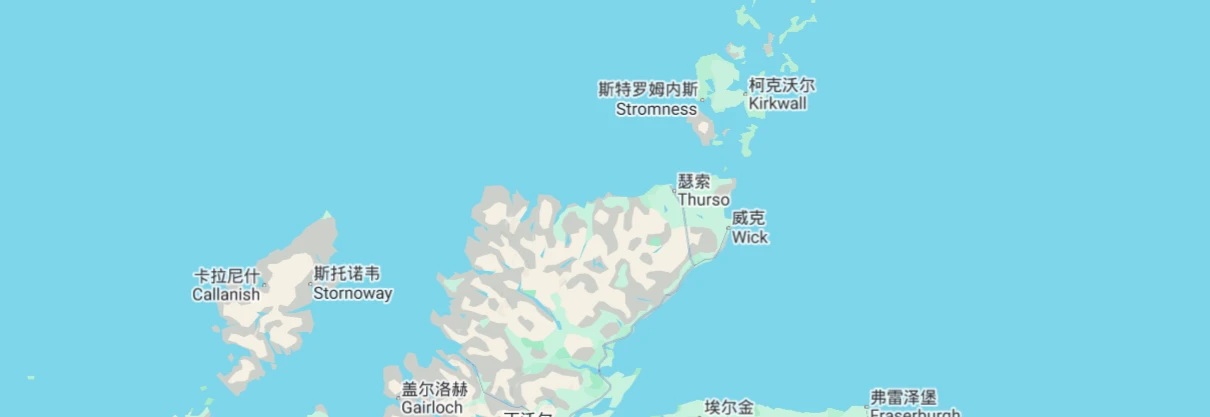
The Central North Sea sector of the United Kingdom Continental Shelf (UKCS) features intensive offshore drilling operations targeting Jurassic and Paleocene sandstone reservoirs. Surface casing strings (typically 339.7 mm / 13-3/8 inch or 244.5 mm / 9-5/8 inch) are cemented into weakly consolidated marine sediments and Tertiary mudstones at depths ranging from 550 meters to 1,200 meters TVD. In this cold maritime sector, sea-floor water temperatures range between 5°C and 8°C year-round, yielding bottom-hole static temperatures (BHST) of 12°C to 18°C across shallow casing horizons. Rig spread rates for North Sea harsh-environment jack-ups and semi-submersibles require precise laboratory verification of low-temperature cement compressive strength to optimize waiting-on-cement periods.
Regional Cementing Challenges in Chilled UKCS Formations
Planning and executing surface casing cementing in the Central North Sea involves severe laboratory and field hurdles:
- Discrepancies Between Lab Models and Downhole Strength Gain: Standard ambient laboratory crush tests historically underestimated downhole setting durations. In several offset wells, casing drill-out was initiated prematurely based on unchilled laboratory data, encountering soft, unset cement that required expensive remedial clean-out trips.
- Excessive Rig Standby Expenses: To avoid drilling out wet cement, operators conservatively extended WOC times past 30 hours per well, generating hundreds of thousands of dollars in non-productive rig day-rate costs across multi-well drilling programs.
- Shallow Biogenic Gas Hazards: Quaternary and Tertiary sand intervals contain pockets of shallow biogenic gas. If the laboratory cannot reliably predict the time required to build 500 lbf/100 sq ft gel strength and 3.5 MPa compressive strength, gas percolation risks compromise the surface casing barrier.
Technical Requirements for UKCS Low-Temperature Laboratory Slurry Design
To establish dependable operational schedules, offshore operators mandate rigorous laboratory performance benchmarks:
- Chilled UCA testing conducted at exact static bottom-hole temperature (14°C) with mix water pre-cooled to 6°C.
- Attainment of 3.5 MPa (500 psi) low-temperature cement compressive strength within 10 hours of placement.
- Thickening time stably maintained between 2.5 and 3.5 hours under simulated dynamic circulating temperatures.
- Zero free fluid separation (0.0% @ 45° angle) and API fluid loss strictly controlled below 50 mL/30 min.
How CG910S Addresses the Challenge
CG910S Low-Temperature Cementing Accelerator Powder is specifically engineered to provide predictable low-temperature cement compressive strength development across cold-water drilling envelopes. Formulated as a high-purity dry chemical powder, CG910S dry-blends into bulk API Class G cement without caking. Upon contact with cold seawater or freshwater batch fluids, CG910S rapidly ionizes, catalyzing alite (C₃S) dissolution and triggering early C‑S‑H gelation. It generates a steep, repeatable strength-growth profile that matches chilled UCA acoustic models, providing operators with validated WOC confidence.
Regional Application Case
In an offshore development well in the Central North Sea, a 244.5 mm (9-5/8 inch) surface casing string was cemented inside a 311.1 mm (12-1/4 inch) borehole to a depth of 920 meters TVD from a jack-up rig. Static formation temperature was 14°C, with seawater mix water entering the batch blender at 6°C. The slurry was designed at a density of 1900 kg/m³ (15.8 ppg) utilizing Class G Portland cement.
By dry-blending CG910S accelerator powder at 2.0% BWOC alongside compatible fluid loss polymers and defoamers, laboratory qualification and offshore execution delivered exceptional alignment:
- Chilled Laboratory UCA Prediction: Pre-job UCA testing using 6°C pre-chilled mix water at 14°C static curing pressure indicated initial 0.35 MPa (50 psi) gelation at 4 hours and 35 minutes, reaching the critical 3.5 MPa (500 psi) structural threshold at 9 hours and 10 minutes.
- Hydraulic Crush Verification: Parallel destructive crush testing of cubes cured in chilled pressurized baths yielded 3.7 MPa at 9 hours and 30 minutes, confirming the acoustic algorithm calibration within ± 20 minutes.
- Field Placement: Consistometer testing verified safe pumpability (< 25 Bc) for 2 hours and 35 minutes. Displacement proceeded without friction pressure anomalies, yielding 100% full slurry returns at surface.
- Rig Time Savings: Relying on validated laboratory curves, the rig supervisor initiated shoe drill-out 10.5 hours after plug bump, successfully drilling hard set cement and saving 16 hours of waiting-on-cement time compared to offset wells.
Standardized Laboratory Workflows for Low-Temperature Testing
Establishing dependable laboratory testing workflows for low-temperature cement compressive strength requires structured compliance with API RP 10B-2 testing methodologies:
1. Complete Thermal Pre-Cooling of Slurry Components: Mix water, dry cement blends, and atmospheric consistometer mixing containers must be pre-cooled in refrigerated baths to exact field batch temperatures (4°C to 10°C). Testing without pre-chilling introduces artificial kinetic acceleration that distorts actual wellsite performance.
2. Low-Temperature Ultrasonic Cement Analyzer (UCA) Calibration: UCA cells equipped with external cooling circuits must be calibrated with fluid transit-time baselines established at test temperatures. Tracking continuous acoustic velocity provides the exact slope of strength progression without mechanical disruption.
3. Chilled Pressurized Curing Chamber Verification: Destructive crush test cubes must be cured in temperature-regulated pressurized chambers matching BHST. Utilizing spherical bearing platens and calibrated loading rates (17.8 kN/min ± 1.8 kN/min) provides verified mechanical strength data that validates non-destructive UCA logs.
Frequently Asked Questions (FAQ)
Why do standard laboratory crush cubes produce inaccurate low-temperature strength data?
Small 50 mm laboratory crush cubes dissipate hydration heat into cold water baths much faster than a large downhole cement sheath. Additionally, demolding friable, cold-cured specimens mechanically disturbs early crystal bonds, leading to artificially low compressive strength readings.
How does an Ultrasonic Cement Analyzer (UCA) measure strength non-destructively?
The UCA transmits high-frequency acoustic pulses through the setting slurry inside a pressurized autoclave cell. As hydration progresses and C‑S‑H gel fibers interlock, the acoustic velocity increases. Empirical algorithms convert this transit time into continuous compressive strength data.
What compressive strength threshold is required before drilling out the casing shoe?
Industry and regulatory standards mandate a minimum compressive strength of 3.5 MPa (500 psi) before casing pressure testing and shoe drill-out can safely commence. Reaching this threshold ensures the casing shoe will not vibrate loose or fail under drill bit weight.
Does CG910S accelerator powder provide consistent UCA strength development?
Yes. CG910S rapidly dissolves upon water contact, catalyzing alite hydration and producing a repeatable, steep compressive strength curve in chilled UCA tests that allows operators to confidently minimize waiting-on-cement schedules.
Key Testing Strategies for Low-Temperature Slurry Optimization
Establishing reliable casing shoe drill-out times and avoiding costly waiting-on-cement delays in cold-weather drilling requires accurate prediction of low-temperature cement compressive strength. Relying on unchilled laboratory protocols or unaccelerated cement designs leads to severe operational errors, including drilling out soft cement or accumulating expensive rig standby hours.
By implementing advanced diagnostic workflows-combining chilled Ultrasonic Cement Analyzers, calibrated hydraulic crush testing, and thermal pre-conditioning-cementing engineers obtain accurate kinetic models that validate field performance. Incorporating a high-performance chemical accelerator powder such as CG910S ensures that cement slurries achieve verified 3.5 MPa compressive strength within 9 to 11 hours, providing structural casing support, preventing gas migration, and delivering durable wellbore barrier integrity across cold-climate drilling campaigns worldwide.
Optimize Your Low-Temperature Cement Compressive Strength Testing
Consult our technical cementing specialists to evaluate CG910S low-temperature accelerator powder, chilled UCA testing protocols, and calibrated compressive strength modeling for your cold-region drilling programs.
Explore CG910S Accelerator SpecificationsBlog Category: Cementing Additives & Chemical Solutions