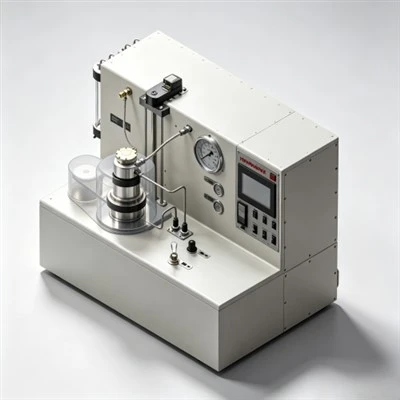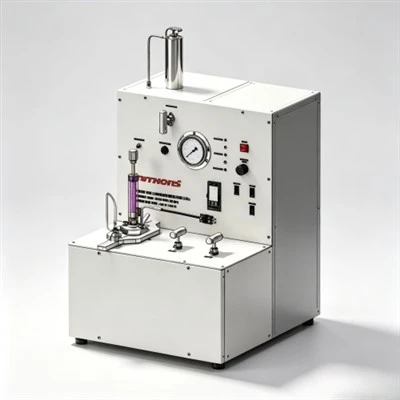

Executing systematic procedures for the maintenance of static gel strength tester assets is vital for oilwell cementing laboratories evaluating gas migration risks in deep HPHT wells. Modern API Spec 10B-6 compliant gel analyzers operate under severe pressures up to 200 MPa and temperatures reaching 204°C, where residual cement slurry or seal degradation quickly compromises micro-torque sensitivity. Standardized maintenance of static gel strength tester hardware includes routine autoclave vessel flushing, high-temperature elastomer replacement, magnetic drive shaft alignment, and deadweight sensor zero-point calibration. Implementing a rigorous maintenance of static gel strength tester regimen prevents costly equipment failure, eliminates signal drift, and protects laboratory personnel from high-pressure hazards. Through structured maintenance of static gel strength tester protocols, field operators maintain strict compliance with international testing standards, ensuring that anti-gas channeling slurry recipes deliver reliable downhole isolation.
Establishing preventive servicing guidelines safeguards sensitive electronic transducers while extending overall autoclave service life.
1. Preventative Care for HPHT Vessels and Pressure Systems
The primary focus of high-pressure maintenance of static gel strength tester systems centers on protecting the pressure vessel and hydraulic circuit against contamination.
Essential steps for hydraulic pressure system maintenance of static gel strength tester assemblies include:
- Hydraulic Oil Conditioning: Inspect hydraulic actuation oil monthly for particulates or moisture contamination, flushing the system if discoloration appears.
- High-Temperature Seal Replacement: Replace Kalrez and Viton elastomeric O-rings on pressure vessel lids after every 30 elevated-temperature test cycles.
- Rupture Disc and Safety Relief Inspection: Examine safety relief burst discs for corrosion or fatigue to ensure immediate over-pressure venting capability.
- Autoclave Thread Lubrication: Apply high-temperature anti-seize grease to vessel cap threads to prevent galling during high-pressure clamping.
Related Technical Reading: Discover foundational daily cleaning and torque calibration methods in Preventive Maintenance and Calibration Protocols for Static Gel Strength Testers.
2. Magnetic Drive Servicing and Micro-Torque Sensor Calibration
Ensuring micro-torque measurement fidelity during the maintenance of static gel strength tester drives requires removing parasitic mechanical drag.
A structured schedule for electrical and drive maintenance of static gel strength tester subsystems is detailed below:
| Subsystem Target | Inspection Cycle | Action Protocol | Engineering Significance |
|---|---|---|---|
| Magnetic Coupling Shaft | Bi-Weekly | Clean magnetic coupling housing and inspect HT bearings for smooth rotation. | Eliminates parasitic torque friction that distorts initial gel detection. |
| Torque Transducer Zero-Point | Monthly | Perform zero-point tare adjustment with empty cup under ambient conditions. | Corrects sensor baseline drift before running delicate slurry tests. |
| Deadweight Pulley Calibration | Quarterly | Hang certified weights across pulley arm to verify torque linearity (10 to 500 lbf/100 ft²). | Ensures full-scale accuracy according to API Spec 10B-6 guidelines. |
| PID Heating Electronics | Bi-Annually | Verify heater relay switches and recalibrate internal thermocouple sensors. | Guarantees steady thermal ramps without risking slurry flash-setting. |
Adhering to structured electrical maintenance of static gel strength tester routines ensures long-term sensor reliability and consistent lab data.
Related Technical Reading: Review the core physical torque principles applied in Physical Mechanics and Operational Principle of Static Gel Strength Testers.
3. Software Diagnostics and Data Logger Verification
Modern automated maintenance of static gel strength tester procedures involve validating digital control firmware and sensor communication buses.
Key software aspects during digital maintenance of static gel strength tester diagnostics include:
- Firmware and Driver Updates: Keep instrument control software updated to access improved PID thermal loop algorithms and bug fixes.
- Data Logging Integrity Checks: Verify that real-time torque, pressure, and temperature data streams register without packet loss.
- Emergency Stop Testing: Test software over-temperature and over-pressure trip limits to confirm automatic heater and pump shutdown.
- Calibration Record Archiving: Store digital deadweight calibration certificates directly within instrument software for audit compliance.
Related Technical Reading: Learn how static gel strength testing fits into broader field execution in Understanding Oilwell Cementing Operations and Engineering Workflows.
Regional Application Case: Sulige Tight Gas Field Laboratory, Inner Mongolia, China
Case Application: Low-Permeability Tight Gas Well Development, Sulige Field, Ordos Basin

Regional Cementing Background in Sulige Field
The Sulige Gas Field is China's largest onshore tight sandstone gas reservoir. Wells feature long horizontal sections with multiple gas-bearing zones. Preventing gas channeling during slurry static gelation is essential to maintain zonal isolation and prevent casing head pressure.
Regional Laboratory Challenges in Continuous Operations
With hundreds of wells drilled annually, regional testing laboratories operated static gel analyzers continuously. High operational throughput led to fine cement dust accumulating inside drive bearings, causing torque zero-point drift and frequent pressure seal failures during 120°C testing routines.
Technical Requirements for Standard Operating Procedures
To eliminate testing discrepancies, lab management established standardized guidelines for the maintenance of static gel strength tester units:
- Mandatory magnetic drive disassemble and bearing ultrasonic bath cleaning every 15 test cycles.
- Monthly deadweight torque calibration verification recorded in digital QA/QC ledgers.
- Preventive high-temperature Viton seal replacements prior to all critical long-transition slurry tests.
How Preventative Maintenance Restored Lab Accuracy
Enforcing rigorous maintenance of static gel strength tester protocols eliminated mechanical drive friction. Clean magnetic couplings permitted precise detection of the 100 lbf/100 ft² gelation point, enabling accurate slurry transition time tuning ($100 \rightarrow 500 \text{ lbf/100 ft}^2$) with zero sensor drift.
Regional Application Case Results
Adopting strict maintenance of static gel strength tester routines produced significant operational improvements across field operations:
- Reduced lab instrument breakdown rates by 92% across a two-year operational window.
- Achieved 100% repeatability in static transition time evaluations for thixotropic anti-gas slurries.
- Helped field cementing teams eliminate sustained annular casing pressure in 35 horizontal tight gas wells.
4. Troubleshooting Mechanical and Electrical Anomalies
When unexpected issues arise during maintenance of static gel strength tester inspections, technicians should follow systematic troubleshooting routines.
Common troubleshooting workflows for maintenance of static gel strength tester diagnostic tasks include:
- Non-Linear Torque Output: Inspect calibration arm pulleys for alignment and verify that magnetic drive bearings spin freely without hitching.
- Uncontrolled Pressure Drop: Inspect vessel lid O-rings for thermal hardening and check hydraulic check valves for particulate fouling.
- Thermocouple Signal Fluctuation: Check wiring terminals for oxidation, re-seat connection jacks, and verify thermal well contact oil levels.
- Drive Motor Over-Current Alarms: Disassemble slurry cup to clear hardened cement scale binding the rotating paddle geometry.
Frequently Asked Questions (FAQ)
How frequently should high-temperature seals be replaced in static gel strength testers?
High-temperature Viton or Kalrez seals should be replaced every 25 to 30 testing cycles, or immediately if visual cracking or pressure loss is detected during pre-test pressurization.
What is the recommended method for cleaning magnetic drive couplings?
Disassemble the magnetic drive housing and clean all components in an ultrasonic bath using mild solvent, ensuring no iron filings or cement dust cling to internal magnets.
Why is deadweight calibration preferred over software auto-zeroing alone?
Deadweight calibration physically verifies transducer torque response against known physical forces, ensuring true linearity across the entire 10 to 500 lbf/100 ft² API measurement range.
Can hydraulic oil contamination affect static gel strength readings?
Yes, contaminated hydraulic oil can clog pressure control valves, causing pressure fluctuations that distort sensitive torque measurements during gelation transition phases.
Sustaining Testing Excellence Through Regular Equipment Servicing
Committing to standardized maintenance of static gel strength tester fleets ensures superior laboratory precision, reduces costly instrument downtime, and enhances wellbore cementing safety. By maintaining clean drive mechanisms, replacing seals preventively, and conducting regular deadweight calibrations, oilfield laboratories reliably deliver exact static gel strength data for demanding well completion projects worldwide.
Equip Your Facility with High-Reliability Static Gel Strength Testers
We supply API Spec 10B-6 compliant static gel strength testers designed for low maintenance, high-temperature durability, and precision torque accuracy.
Explore Our Cementing Equipment PortfolioOptimizing Field Operations with Standardized Testing and Engineering Support
Achieving long-term zonal isolation and maintaining wellbore structural integrity requires a rigorous, data-driven understanding of both chemical additive performance and downhole physical simulation. As global drilling operations push deeper into high-pressure, high-temperature (HPHT) zones, ultra-deepwater plays, and unconventional tight gas formations, standard cement formulations can no longer guarantee success without precise optimization. Whether evaluating slurry thickening time profiles, controlling precise fluid loss, or monitoring early compressive strength build-up, petroleum engineers must rigorously align laboratory protocols with the latest API RP 10B-2 and ISO 10426 industry standards.
Standardized laboratory testing equipment plays a crucial role in bridging the gap between benchtop experiments and actual rig site execution. Utilizing automated consistometers, high-pressure filtration cells, and non-destructive ultrasonic cement analyzers (UCA) provides real-time, repeatable data that directly influences field pumping schedules. Integrating advanced chemical additives-such as thermally stable polymers, organic retarders, and targeted dispersants-with high-precision laboratory verification minimizes operational hazards, eliminates fluid migration risks, and prevents costly casing failures or sustained casing pressure (SCP).
Ultimately, holistic slurry design and strict quality assurance protocols significantly shorten wait-on-cement (WOC) time, allowing operators to transition safely to subsequent drilling or hydraulic fracturing stages. By combining state-of-the-art laboratory testing equipment with customized additive packages, oilfield service companies can maximize operational safety, reduce non-productive time (NPT), and optimize the overall economic performance of oil and gas assets throughout their operational lifecycle.
Need Customized Cementing Equipment or Chemical Testing Solutions?
Our technical engineering team provides high-precision laboratory testing instruments and tailored slurry additive formulations to meet your demanding field requirements worldwide. Contact our specialists today to enhance your cementing performance and wellbore stability.
Contact Our Technical Experts